
The Discipline Behind Rwanda’s Growth
It doesn’t rely on scale, natural resources, or sudden momentum. Instead, it has taken a quieter path—one built on discipline, coordination, and a consistent effort to make its systems work.

By Capital Tanzania Magazine
April 25, 2026 · 5 min read
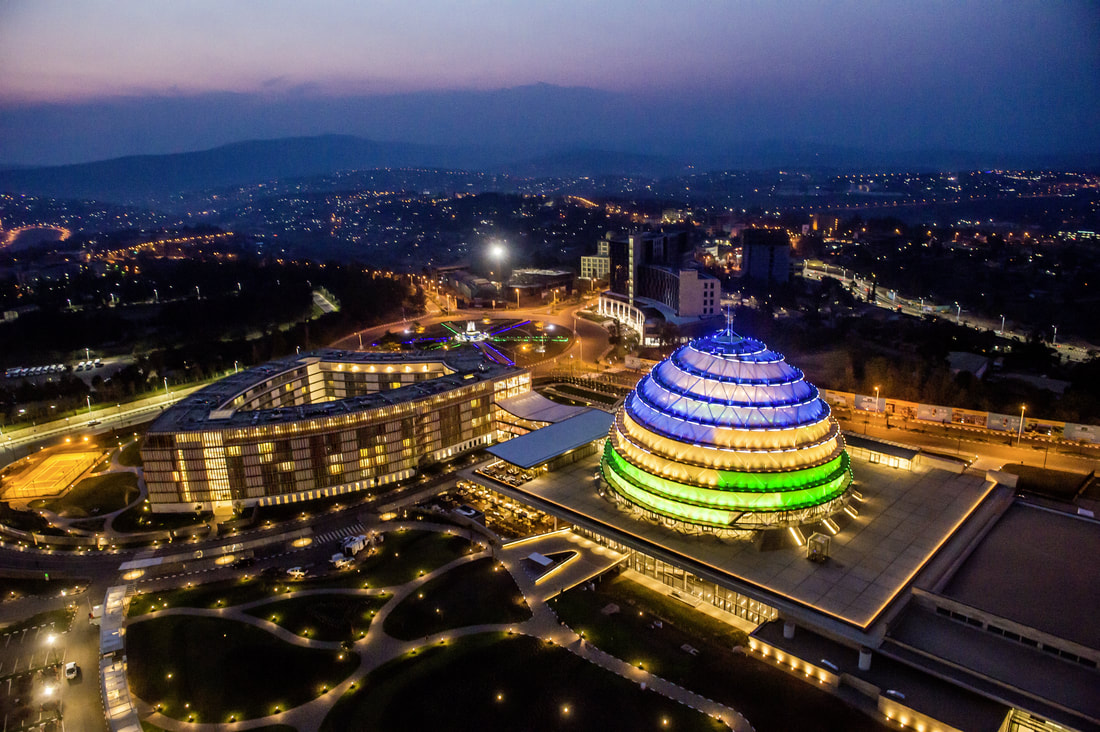
Rwanda is not an economy that tries to impress you at first glance.
There is no overwhelming scale, no sudden surge of abundance, no obvious advantage that explains everything.
And yet, over time, it becomes difficult to ignore.
Because beneath the surface, something far more deliberate is taking shape—not just growth, but a system being carefully built, adjusted, and aligned to move in a clear direction.
That direction becomes clearer the moment you look beyond the surface.
In many economies, growth is visible but uneven. It rises quickly, then slows, often shaped by external demand or a single dominant sector. Rwanda moves differently. The pace is steady, the signals are quieter, and the underlying pattern is more connected.
According to the World Bank, Rwanda has maintained strong economic expansion over the years, frequently around seven percent. But the number is only part of the story.
What stands out is the consistency behind it.
Growth here does not feel accidental. It feels managed.
To understand why, you have to look at how Rwanda approaches development itself.
Rather than building its economy around what it has in abundance, it has focused on how effectively it can organize what it has. With limited natural resources and a relatively small domestic market, the country has leaned into something less visible but more powerful over time—coordination.
That coordination is not always obvious, but it shows up in how things connect.
Institutions tend to move in alignment.
Processes are more likely to follow through.
Decisions are less frequently disconnected from outcomes.
It does not eliminate friction, but it reduces the kind that slows progress elsewhere.
And in business, reduced friction changes behavior.
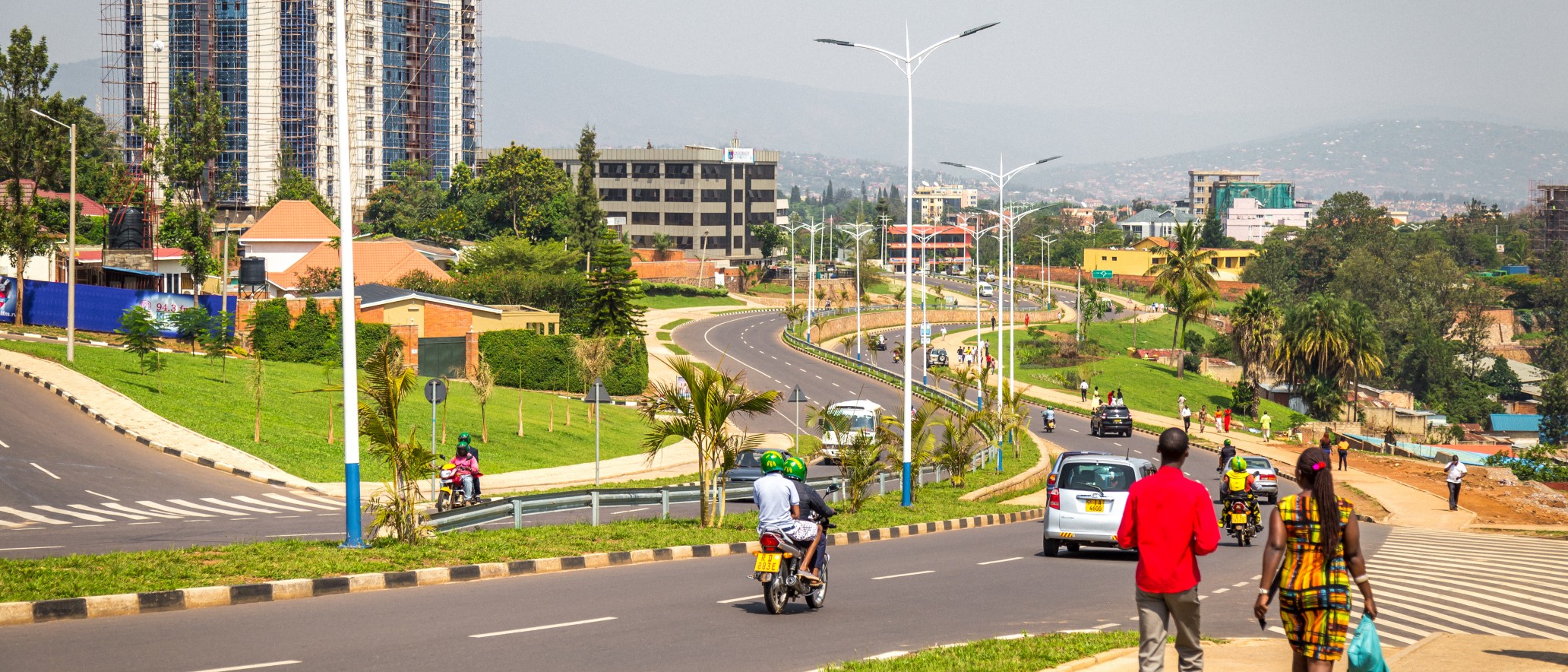
Kigali makes this easier to understand.
It is not the largest city in the region, but it carries a sense of continuity. There is a rhythm to how things move. Systems, while still evolving, tend to point in the same direction. Timelines are not always perfect, but they are often more predictable.
For businesses, that predictability is not a small detail.
It shifts the entire approach—from reacting to planning, from adjusting constantly to positioning over time. And once planning becomes possible, growth begins to take on a different quality.
Leadership plays a role here, but not in the way it is often presented.
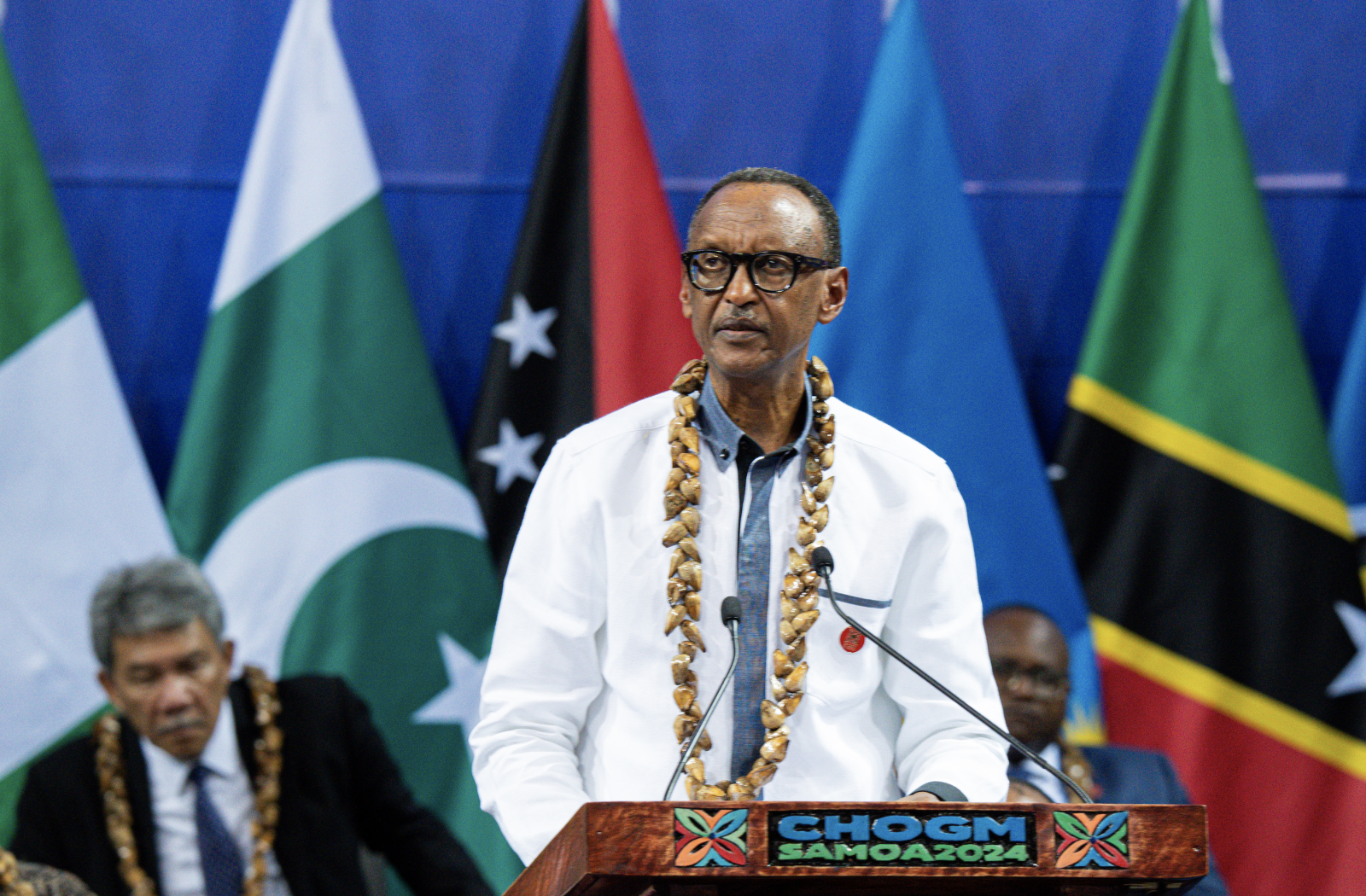
Under Paul Kagame, the emphasis has been less on announcing change and more on ensuring that systems function. Policies are expected to translate into outcomes, and institutions are expected to follow through.
Over time, that expectation shapes behavior.
It influences how decisions are made, how processes are managed, and how accountability is understood. It narrows the gap between what is planned and what actually happens.
And when that gap narrows, the economy begins to behave differently.
This same logic carries into how Rwanda produces value.
Tourism has been positioned not simply as an attraction, but as a high-value sector where organization and service matter as much as the destination itself. Conferences and international events passing through Kigali follow the same principle—turning coordination into economic activity.
At the same time, agriculture continues to anchor much of the economy, supporting livelihoods and contributing to exports, even as the country gradually moves toward higher-value sectors. Minerals such as tin and tantalum add to export earnings, but they do not define the system.
What defines it is how these pieces are brought together.
That connection is what investors tend to notice.
Not just growth, but how that growth is structured.
Not just opportunity, but how consistently that opportunity can be accessed and expanded.
Rwanda does not remove risk. No emerging market does.
What it does is organize the environment around that risk.
And that changes how decisions are made.
The constraints, of course, remain.
Rwanda is still landlocked.
Its domestic market is still relatively small.
External conditions still matter.
But what stands out is how those constraints are approached.
Instead of trying to compete on scale, Rwanda has focused on strengthening how its system functions. It has invested in connectivity, improved coordination, and positioned itself within broader regional frameworks such as the East African Community.
Because growth today rarely stays within borders.
It moves through networks.
And that is where Rwanda’s approach becomes clearer.
It is not trying to become the largest economy in the region.
It is trying to become one of the most organized.
That difference is easy to overlook at first.
But over time, it compounds.
What makes Rwanda’s trajectory compelling is not that it is without challenges. It is that it has chosen a direction—and continues to follow it with discipline.
In many places, growth arrives in bursts. It is visible, but not always stable.
In Rwanda, it is quieter.
It builds gradually.
It connects deliberately.
It holds.
And as it holds, it strengthens.
Capital Tanzania Perspective
Some economies expand because of what they have.
Others expand because of how they are structured.
Rwanda is showing what happens when structure becomes strategy—and when consistency, over time, becomes its most valuable asset.
More from Capital Tanzania
Investment
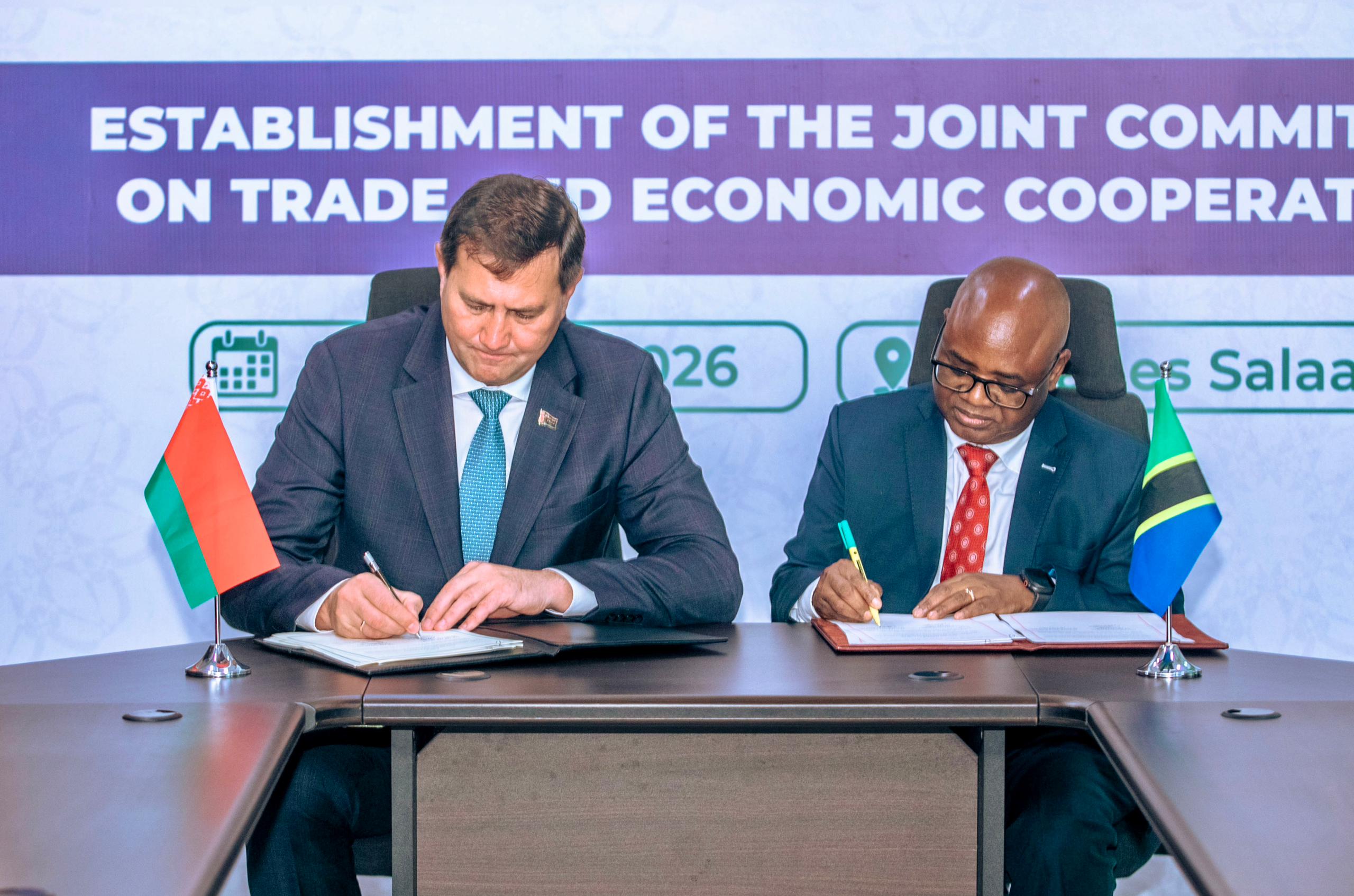
Rewiring Partnerships: Why Tanzania’s Belarus Deal Matters Now
At first glance, Belarus may not appear among Tanzania’s traditional investment partners. But that’s precisely where the strategic opportunity lies.
Policy
Reforming the Business Environment: Inside MKUMBI I & II Agenda
A much deeper transformation is taking place inside the systems that determine how businesses are registered, licensed, financed, regulated, and supported.
East Africa
Why Rio Ferdinand’s Visit to Tanzania Was Bigger Than Football
What Tanzania is beginning to experience is something that many advanced economies already understand very well: global attention has become one of the world’s most valuable economic resources.