
Why Rio Ferdinand’s Visit to Tanzania Was Bigger Than Football
What Tanzania is beginning to experience is something that many advanced economies already understand very well: global attention has become one of the world’s most valuable economic resources.

By Capital Tanzania Magazine
May 24, 2026 · 5 min read
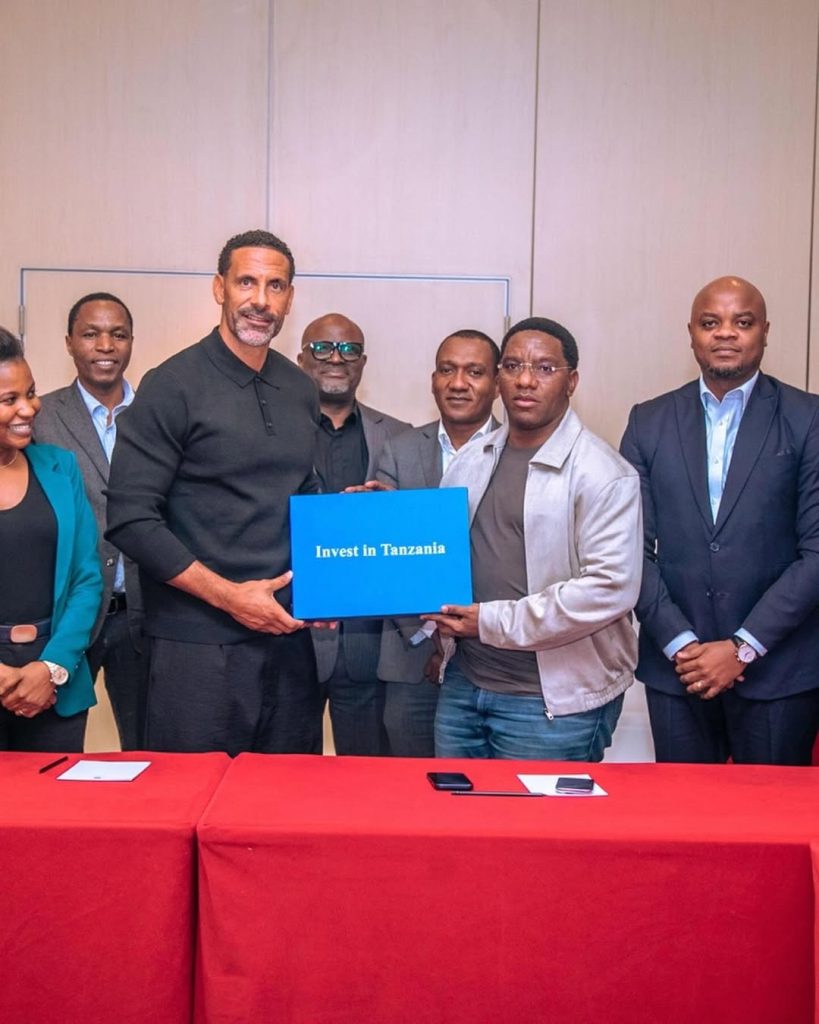
When Manchester United legend Rio Ferdinand visited Tanzania, many people naturally focused on the excitement surrounding a global football icon stepping onto Tanzanian soil. Social media was filled with photos, videos, and fan reactions. For most football supporters, it was simply a memorable celebrity visit. But economically and strategically, the significance of that visit goes far deeper than many people realize.
What Tanzania is beginning to experience is something that many advanced economies already understand very well: global attention has become one of the world’s most valuable economic resources.
In the past, countries competed mainly through industrial production, military strength, minerals, or natural resources. Today, nations also compete through visibility, perception, branding, and influence. The countries that dominate global conversations often become the same countries attracting tourists, international investors, global partnerships, and major business opportunities.
That is why sports has evolved into far more than entertainment.
Football today is one of the most powerful marketing platforms on earth. The game reaches billions of people across continents every single week. A single football personality can influence travel decisions, investor confidence, tourism trends, and even global perception about an entire country. This explains why governments around the world are now heavily investing in sports diplomacy and football branding as part of their economic growth strategies.
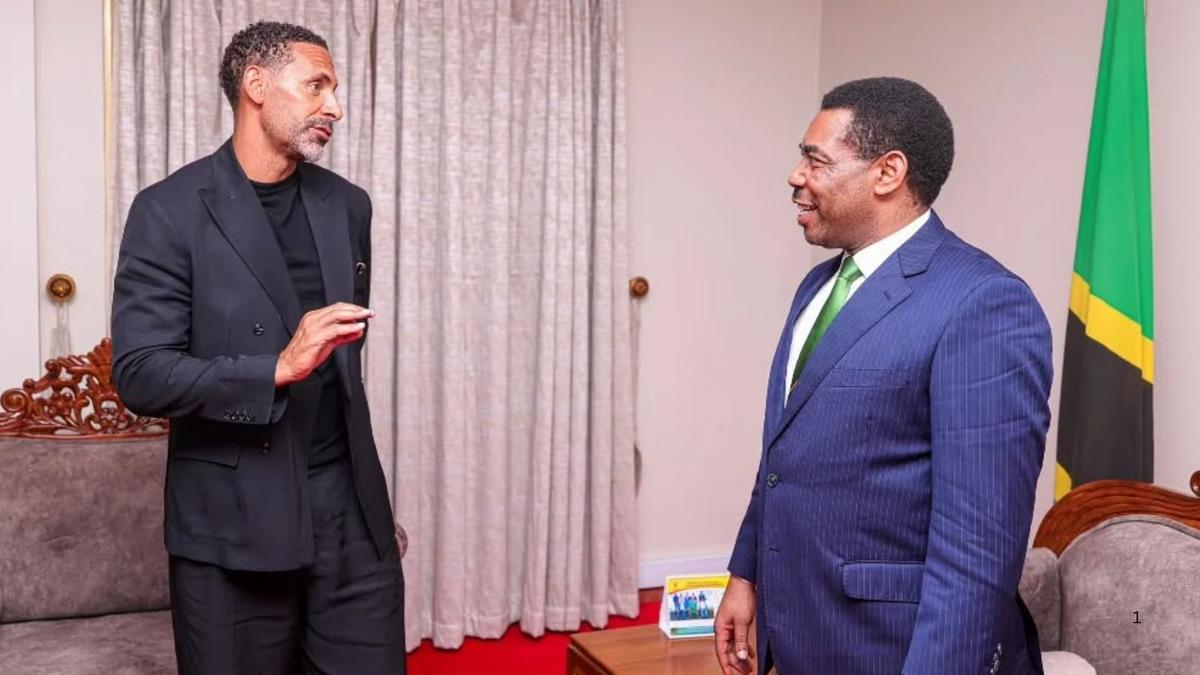
Rio Ferdinand’s visit to Tanzania fits directly into that bigger picture.
As one of the most recognizable football figures of the modern era, Ferdinand carries a global audience that extends far beyond England. Even years after retirement, he remains highly influential through sports media, television analysis, podcasts, interviews, documentaries, and digital platforms followed by millions worldwide. When someone of his stature visits a country and publicly engages with its culture, football ambitions, tourism attractions, and people, the country receives something that money alone struggles to buy naturally: international attention and credibility.
For Tanzania, the timing of this visit is particularly important because the country is preparing to co-host 2027 Africa Cup of Nations. While many Tanzanians are excited about the football side of the tournament, the larger economic implications are still not fully understood by the public.
Modern football tournaments are massive economic ecosystems. They stimulate entire sectors of the economy simultaneously. When a country hosts a major continental or global sporting event, hotels begin expanding, airports receive more traffic, transport systems improve, restaurants grow, local tourism increases, construction projects accelerate, and international media organizations enter the country in large numbers. Investors begin monitoring opportunities around infrastructure, entertainment, hospitality, and urban development.
This is why countries spend billions competing to host tournaments.
The economic impact goes far beyond the stadium.
One of the strongest African examples of this strategy is Rwanda. Several years ago, Rwanda made headlines after partnering with some of Europe’s biggest football clubs, including Arsenal, Paris Saint-Germain, and Bayern Munich. Through the “Visit Rwanda” campaign, Rwanda paid these clubs to place the country’s tourism brand on jersey sleeves, stadium advertisements, interview backdrops, and international broadcasts watched by hundreds of millions of viewers worldwide.
At the time, many Africans criticized the decision. Some believed the government was wasting money on football sponsorships instead of focusing on domestic priorities. But Rwanda’s leadership understood something many people did not.
They understood that visibility creates economic opportunity.
Every time Arsenal played in the English Premier League, millions of people across Europe, Asia, America, and Africa repeatedly saw the words “Visit Rwanda.” Over time, Rwanda repositioned itself internationally from a country associated mainly with its tragic history into a modern tourism, conference, and investment destination. The branding opened conversations about Rwanda that previously did not exist on such a global scale.
The same approach has been used aggressively by Saudi Arabia, which is currently investing billions into football, sports events, and international partnerships to transform its economy beyond oil dependence. Morocco has also used football infrastructure and international tournament exposure to strengthen tourism and global recognition, especially after its historic FIFA World Cup performances. Even South Africa leveraged the 2010 FIFA World Cup not only as a sporting event, but as an opportunity to reposition itself economically and politically before the world.
These countries understood a critical reality about modern economics: perception drives investment.
Investors often move toward countries that appear ambitious, internationally connected, stable, and globally visible. Tourism markets respond to excitement and media attention. International businesses monitor countries that suddenly begin appearing more frequently within global conversations.
This is where Tanzania’s opportunity becomes extremely important.
Rio Ferdinand’s visit may appear symbolic today, but symbolism plays a major role in economic psychology. International figures do not just bring cameras and headlines; they bring validation. Their presence signals to the outside world that Tanzania is becoming increasingly relevant within international sports, tourism, and business discussions.
The country now stands at a strategic moment where football can become more than a game. If managed correctly, AFCON 2027 could become a catalyst for infrastructure investment, tourism growth, youth employment, digital media expansion, sports business development, and long-term international branding.
Perhaps the most important long-term opportunity lies with Tanzania’s young population. Around the world, football has become an entire economic industry supporting careers in media production, sports management, marketing, digital content creation, hospitality, merchandising, tourism, event management, and entertainment. Countries that successfully build strong sports ecosystems create economic opportunities far beyond athletes themselves.
That is why Rio Ferdinand’s visit should not be viewed merely as a football story.
It is part of a much larger transformation taking place globally, where sports is increasingly being used as a tool for economic influence, national branding, and international competitiveness.
For Tanzania, the real opportunity is not simply hosting football matches.
The real opportunity is using football to market the nation itself to the world.
More from Capital Tanzania
Investment
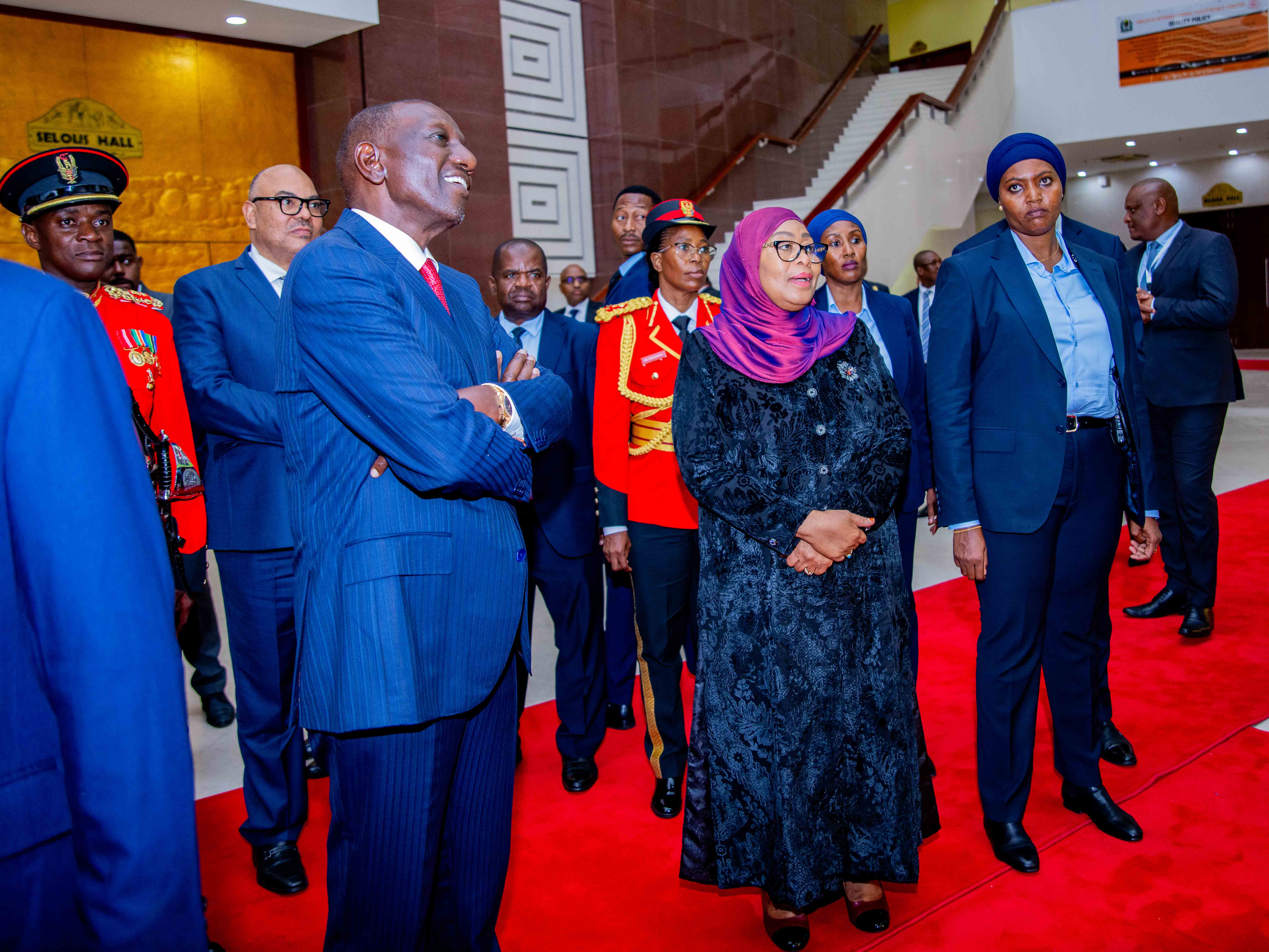
Tanzania–Kenya Business Forum 2026: A New Regional Trade Moment for East Africa
The forum brought together government leaders, investors, private-sector players, and trade institutions under one central message: unlocking private sector growth and investment.
Investment
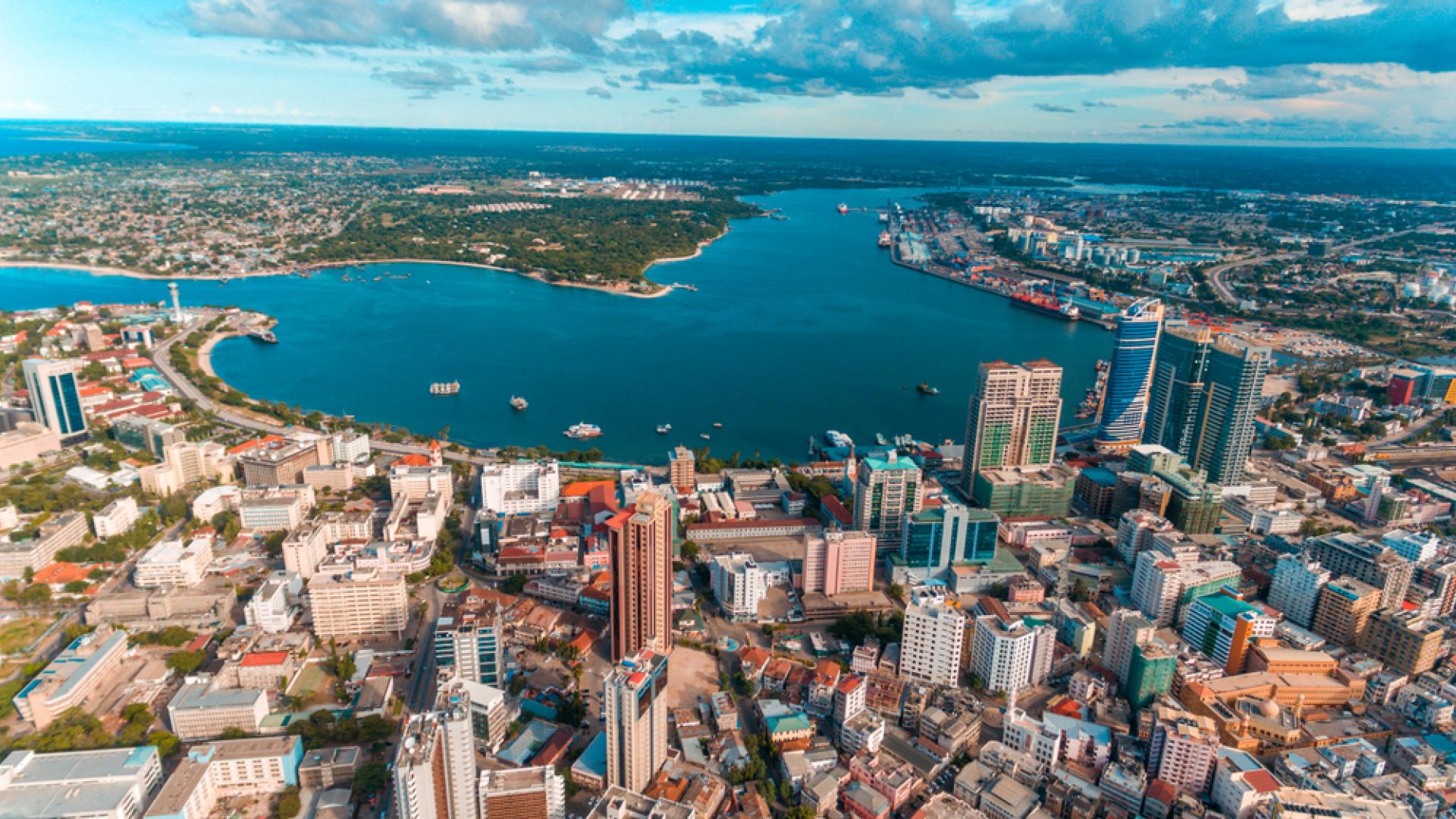
Top Five Sectors to Invest in Tanzania: Where Capital Should Look Next
For investors, the real question is no longer whether Tanzania has opportunities. The question is which sectors have the strongest mix of demand, policy support, resource advantage and long-term growth potential.
Investment
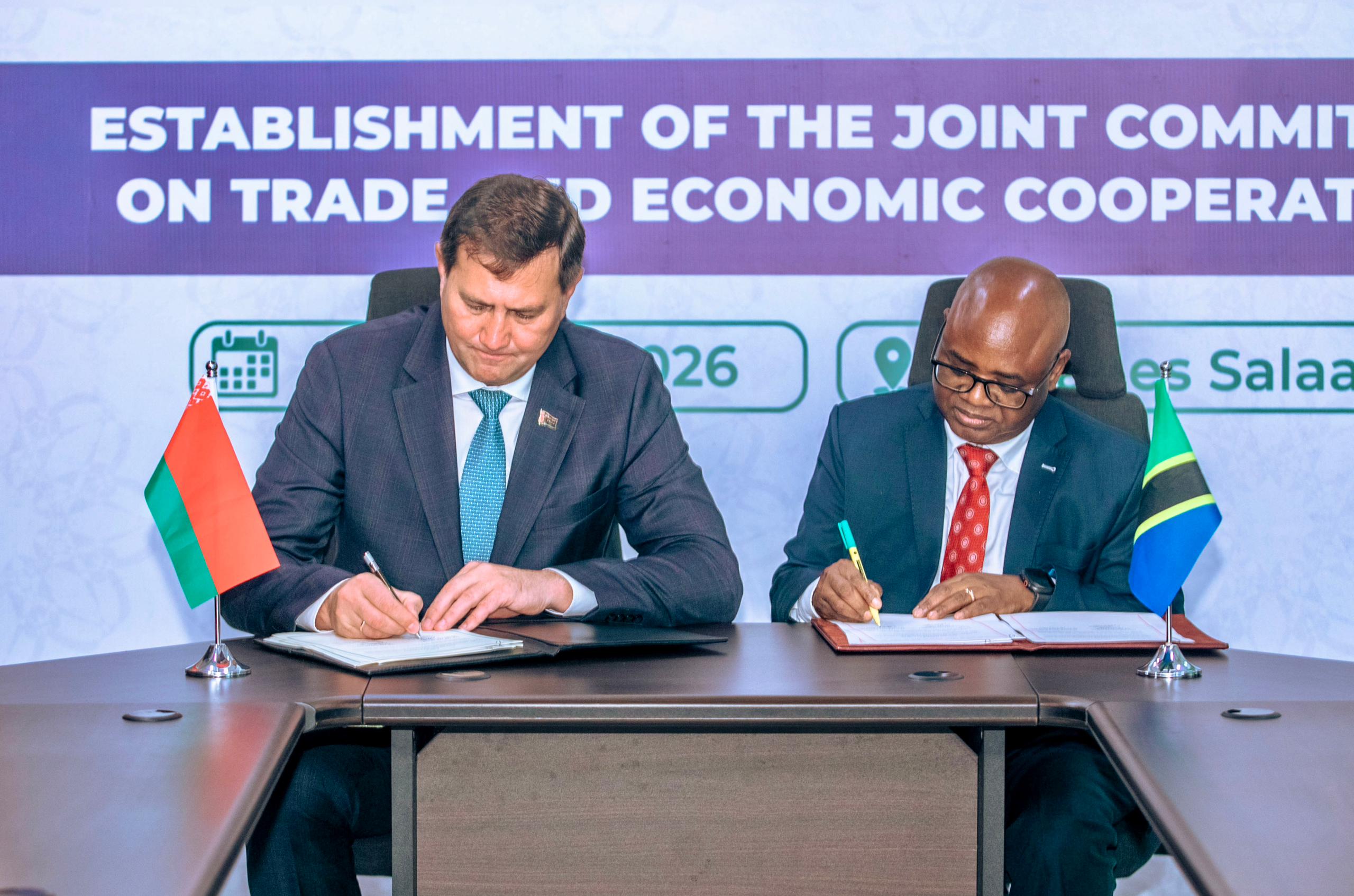
Rewiring Partnerships: Why Tanzania’s Belarus Deal Matters Now
At first glance, Belarus may not appear among Tanzania’s traditional investment partners. But that’s precisely where the strategic opportunity lies.