
Tanzania–Kenya Business Forum 2026: A New Regional Trade Moment for East Africa
The forum brought together government leaders, investors, private-sector players, and trade institutions under one central message: unlocking private sector growth and investment.

By Capital Tanzania Magazine
May 5, 2026 · 5 min read
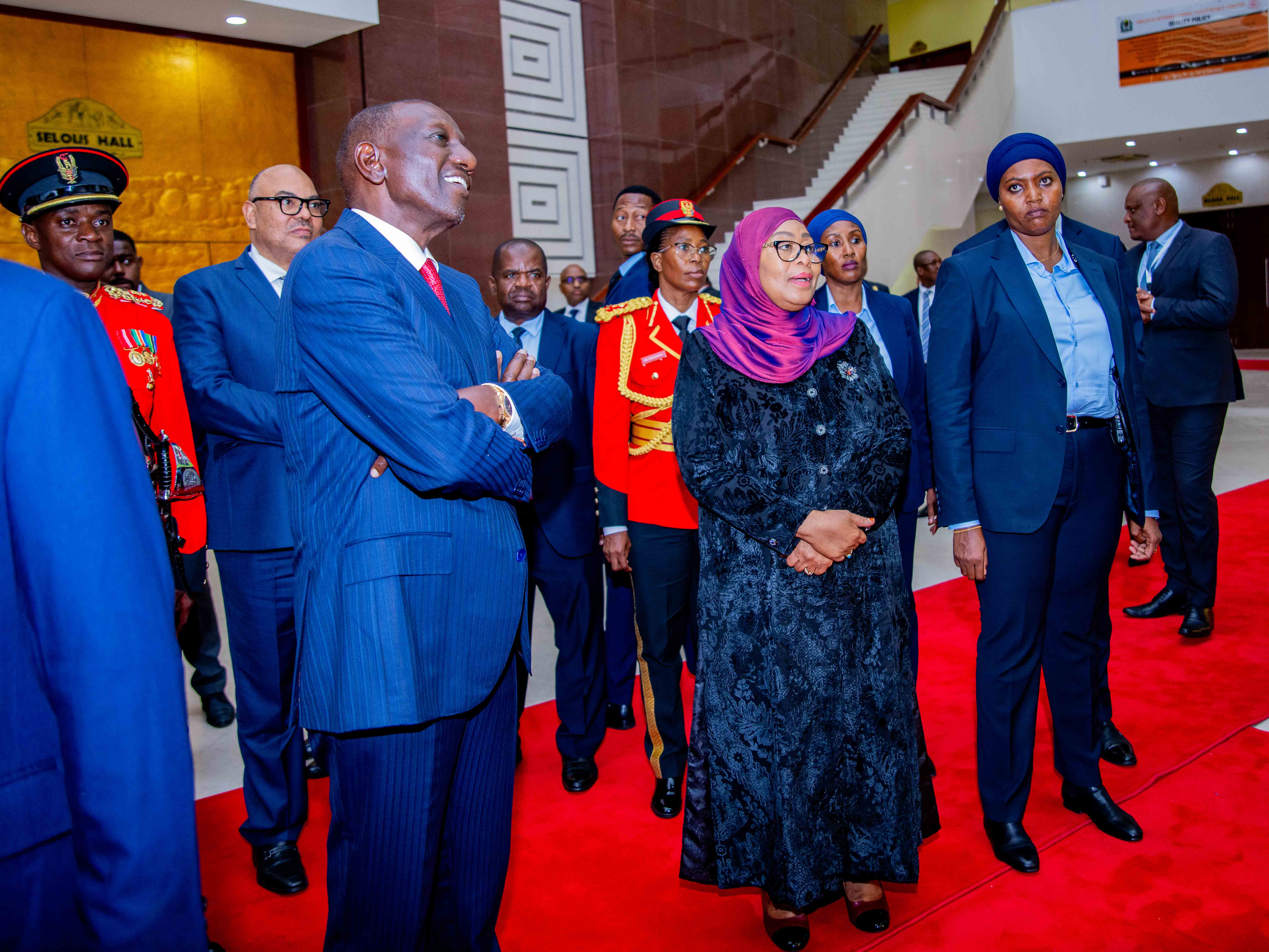
When Tanzania and Kenya sit at the same business table, East Africa pays attention.
The Tanzania–Kenya Business Forum 2026, held in Dar es Salaam on 4 May 2026, was more than a diplomatic engagement. It was a strong signal that the region’s two major economies are ready to move from political goodwill to practical commercial action. The forum brought together government leaders, investors, private-sector players, and trade institutions under one central message: unlocking private sector growth and investment.
At the heart of the discussions was a familiar but urgent issue — how to make trade between Tanzania and Kenya faster, easier, and more profitable. President Samia Suluhu Hassan and President William Ruto used the platform to push for the removal of non-tariff barriers, with reports indicating that both countries agreed to clear outstanding trade barriers by the end of May 2026 and establish a monitoring mechanism to prevent new obstacles from slowing bilateral trade.
For the private sector, this matters.
Tanzania and Kenya are not ordinary neighbours. They are two of East Africa’s most important economic engines, connected by geography, logistics, people, markets, ports, tourism, agriculture, energy, and manufacturing. Yet for years, businesses operating across the border have faced delays, regulatory friction, customs complications, and restrictions that often make regional trade more expensive than it should be.
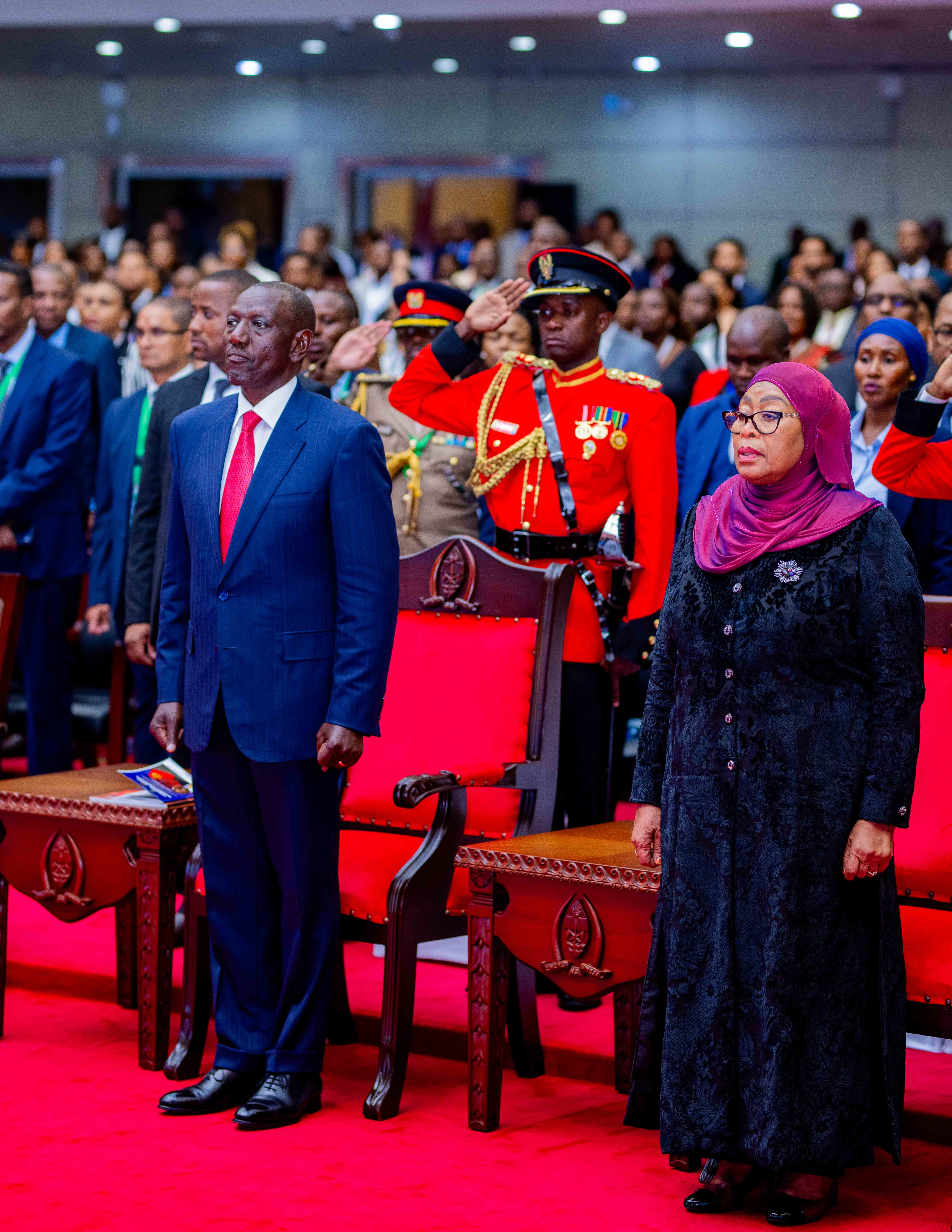
The 2026 forum therefore arrived at a critical time. Across Africa, governments are speaking about regional integration, but investors are looking for something more concrete: predictable rules, faster movement of goods, easier market access, and stronger infrastructure. Tanzania and Kenya are now under pressure to show that East African integration can work not only in speeches, but in trucks crossing borders, factories sourcing inputs, farmers accessing larger markets, and investors scaling operations across two economies.
One of the strongest outcomes connected to the visit was cooperation in energy. Tanzania and Kenya reportedly signed an energy agreement that includes cross-border electricity trade and a feasibility study for a possible Dar es Salaam–Mombasa natural gas pipeline. If implemented, the project could strengthen regional energy security and support industrial growth along the East African coast.
This is where the business forum becomes more than an event. It becomes a framework for regional competitiveness.
Energy, logistics, agriculture, manufacturing, finance, digital innovation, and infrastructure were among the sectors highlighted in the broader conversation. These are not just policy sectors; they are investment corridors. A manufacturer in Tanzania needs reliable power, efficient transport, access to inputs, and regional buyers. A Kenyan logistics company needs predictable border systems and stronger port-road connectivity. A Tanzanian agribusiness investor needs access not only to domestic demand, but to wider East African markets. A fintech company needs scale, regulation, and trust across borders.
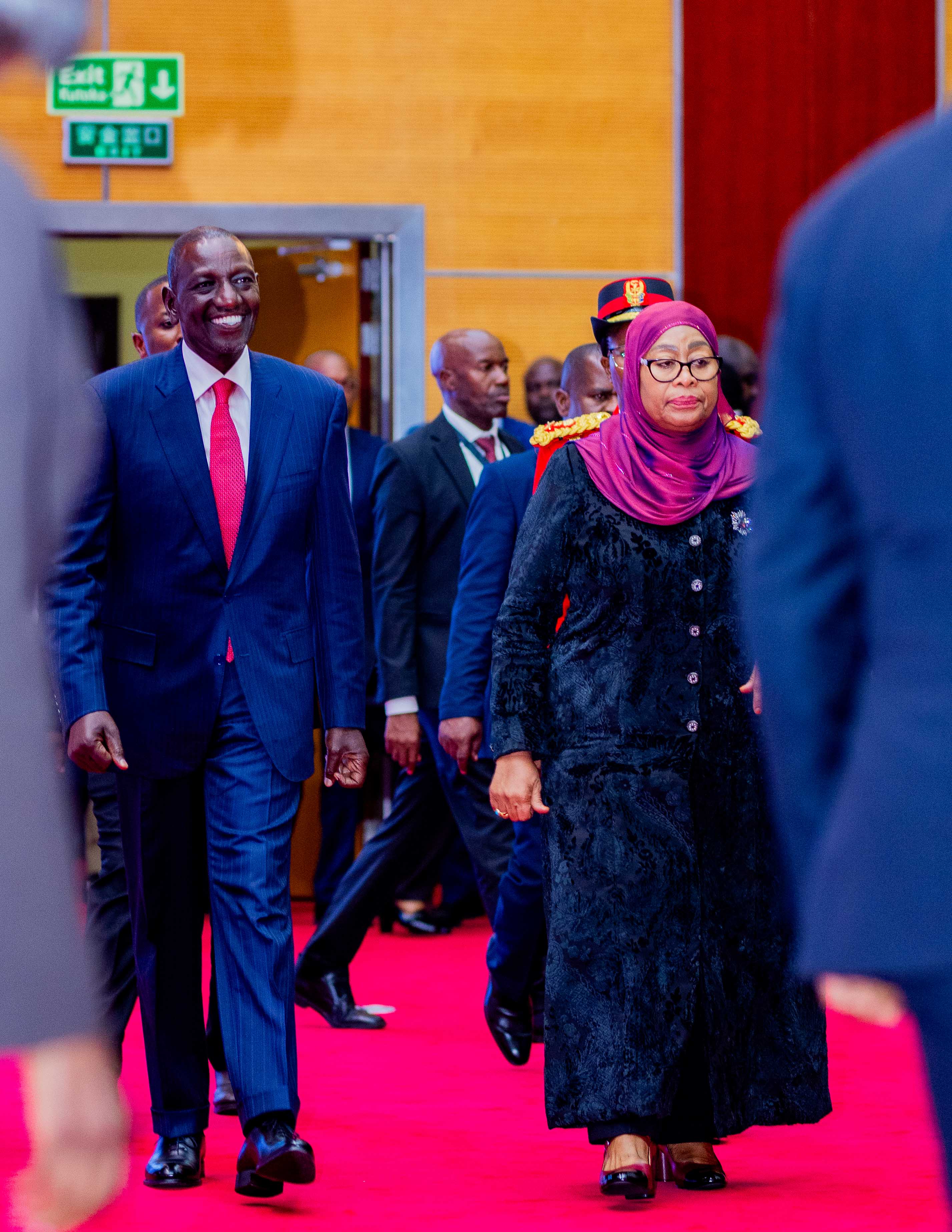
The Tanzania–Kenya Business Forum 2026 put all of these realities in one room.
For Tanzania, the timing is strategic. The country is positioning itself as a serious investment destination, supported by its ports, natural resources, agricultural land, young population, tourism assets, and expanding infrastructure. Stronger cooperation with Kenya adds another layer to that story. It shows Tanzania not as an isolated market, but as a gateway into a larger East African commercial system.
For Kenya, closer ties with Tanzania offer access to a large and growing market, regional logistics opportunities, energy cooperation, and a chance to deepen private-sector expansion southward. For both countries, the prize is clear: more trade, more investment, more jobs, and stronger regional value chains.
But the real test will come after the forum.
Business forums are important because they create visibility. They allow leaders to align priorities and investors to identify opportunities. But investors do not invest because of speeches alone. They invest when agreements are implemented, when barriers are actually removed, when permits are processed efficiently, when border delays are reduced, and when policies remain consistent.
That is why the decision to create a mechanism to monitor non-tariff barriers could become one of the most important practical outcomes of the engagement. If done seriously, it can help move Tanzania–Kenya trade relations away from repeated complaints and toward continuous problem-solving.
The opportunity is massive. Tanzania and Kenya can build stronger value chains in food processing, construction materials, pharmaceuticals, energy, transport, tourism, digital services, and financial services. Instead of competing narrowly, both countries can position East Africa as a production and investment bloc with scale.
For Capital Magazine, the deeper story is this: the future of African investment will not be built by countries acting alone. It will be built by markets that connect.
The Tanzania–Kenya Business Forum 2026 showed that political leadership is beginning to align with private-sector ambition. If the commitments made in Dar es Salaam translate into action, this forum may be remembered not simply as another regional business gathering, but as a turning point in how Tanzania and Kenya approach trade, investment, and industrial growth.
East Africa does not lack opportunity. What it needs is execution.
And in Dar es Salaam, Tanzania and Kenya appeared ready to begin.
More from Capital Tanzania
Investment
Best Investment Opportunities in Tanzania From 2026
As Tanzania enters a new growth cycle, the strongest opportunities are shifting from raw potential to value addition, infrastructure, energy, food systems, and regional trade.

Investment
Top Five Sectors to Invest in Tanzania: Where Capital Should Look Next
For investors, the real question is no longer whether Tanzania has opportunities. The question is which sectors have the strongest mix of demand, policy support, resource advantage and long-term growth potential.
Investment
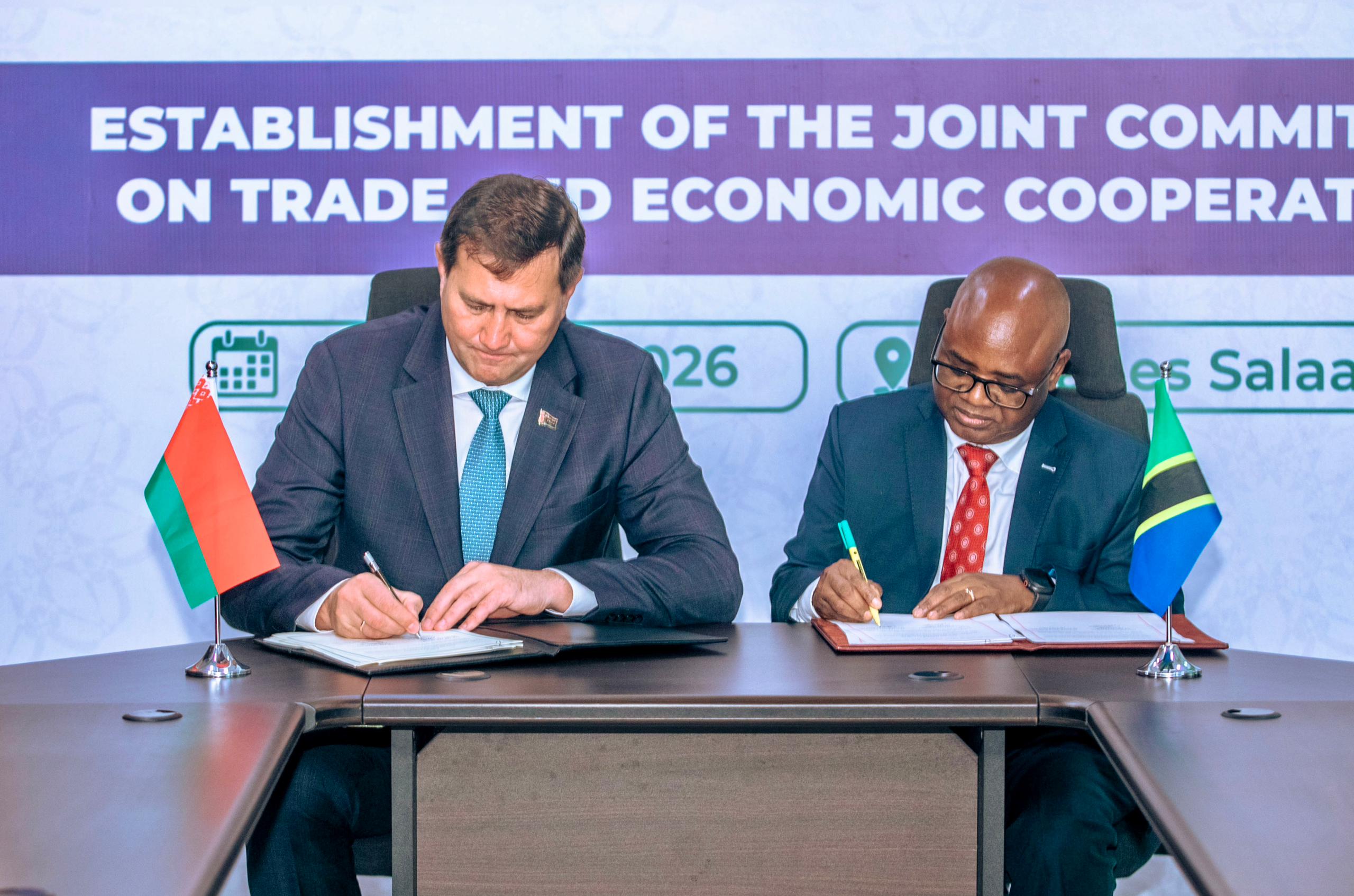
Rewiring Partnerships: Why Tanzania’s Belarus Deal Matters Now
At first glance, Belarus may not appear among Tanzania’s traditional investment partners. But that’s precisely where the strategic opportunity lies.