
Inside the Tanzania–Russia Investment Forum: Will Promises Finally Become Real Projects?
The real question is what follows after Arusha. Will talks in agriculture, energy, and transport turn into real projects? Because forums don’t build factories—implementation does.

By Capital Tanzania Magazine
May 16, 2026 · 5 min read
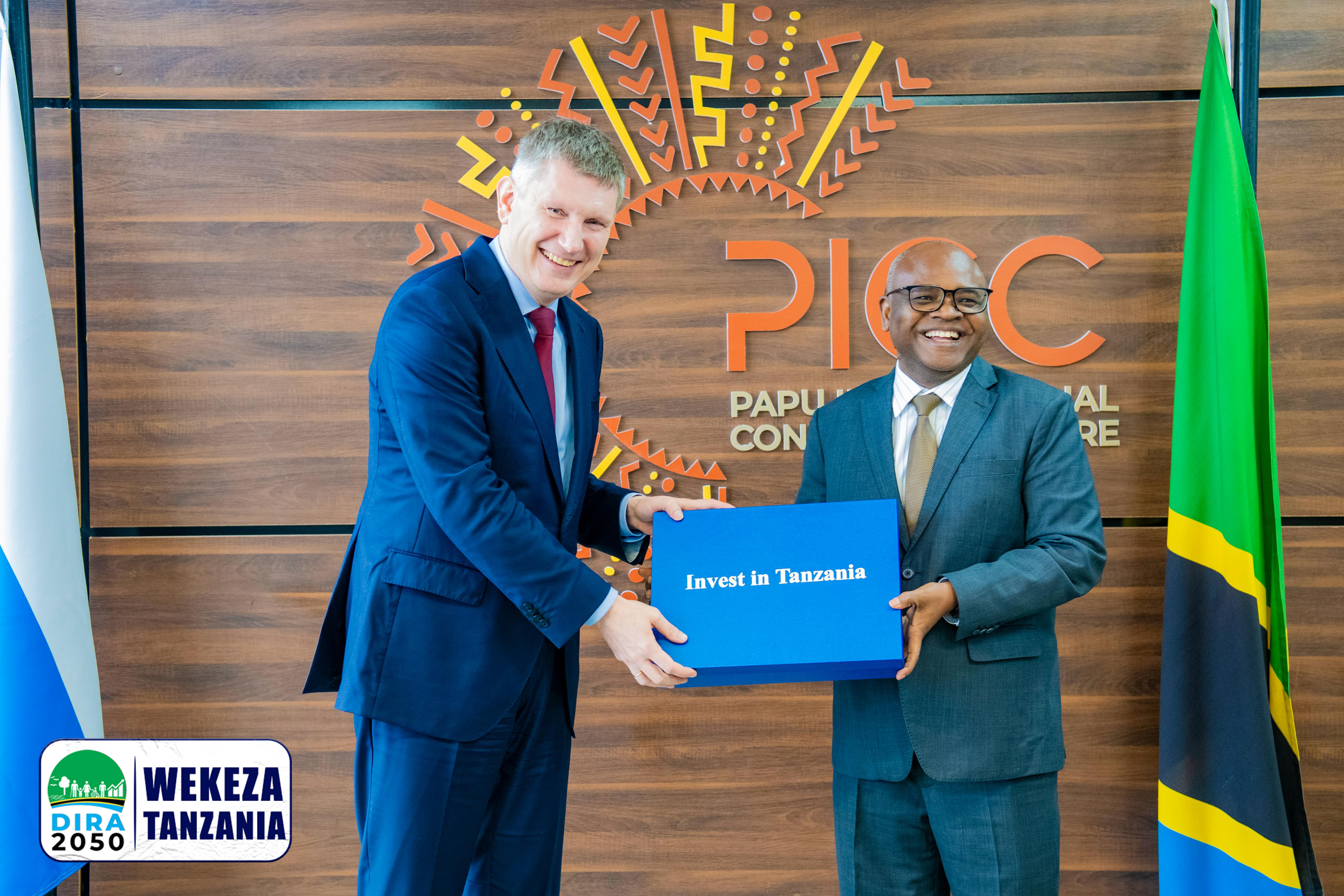
Arusha does not usually announce global economic shifts. It hosts them quietly.
But on May 15, 2026, something in that city reflected a broader change in how Tanzania is positioning itself inside the global economy. The Tanzania–Russia Business and Investment Forum 2026 was not framed as a ceremonial diplomatic meeting. It was structured as a transaction-focused platform — a place where investment pipelines, not just political statements, were the priority.
According to official reporting from the Roscongress Foundation and diplomatic communications, the forum was held as part of the 3rd session of the Tanzania–Russia Joint Intergovernmental Commission on Trade and Economic Cooperation, bringing together government leaders and private sector actors from both countries. The timing also carried symbolic weight, marking 65 years of diplomatic relations between Tanzania and Russia.
But symbolism alone is not what makes this moment significant.
What matters is structure.
A Shift from Dialogue to Deal-Making
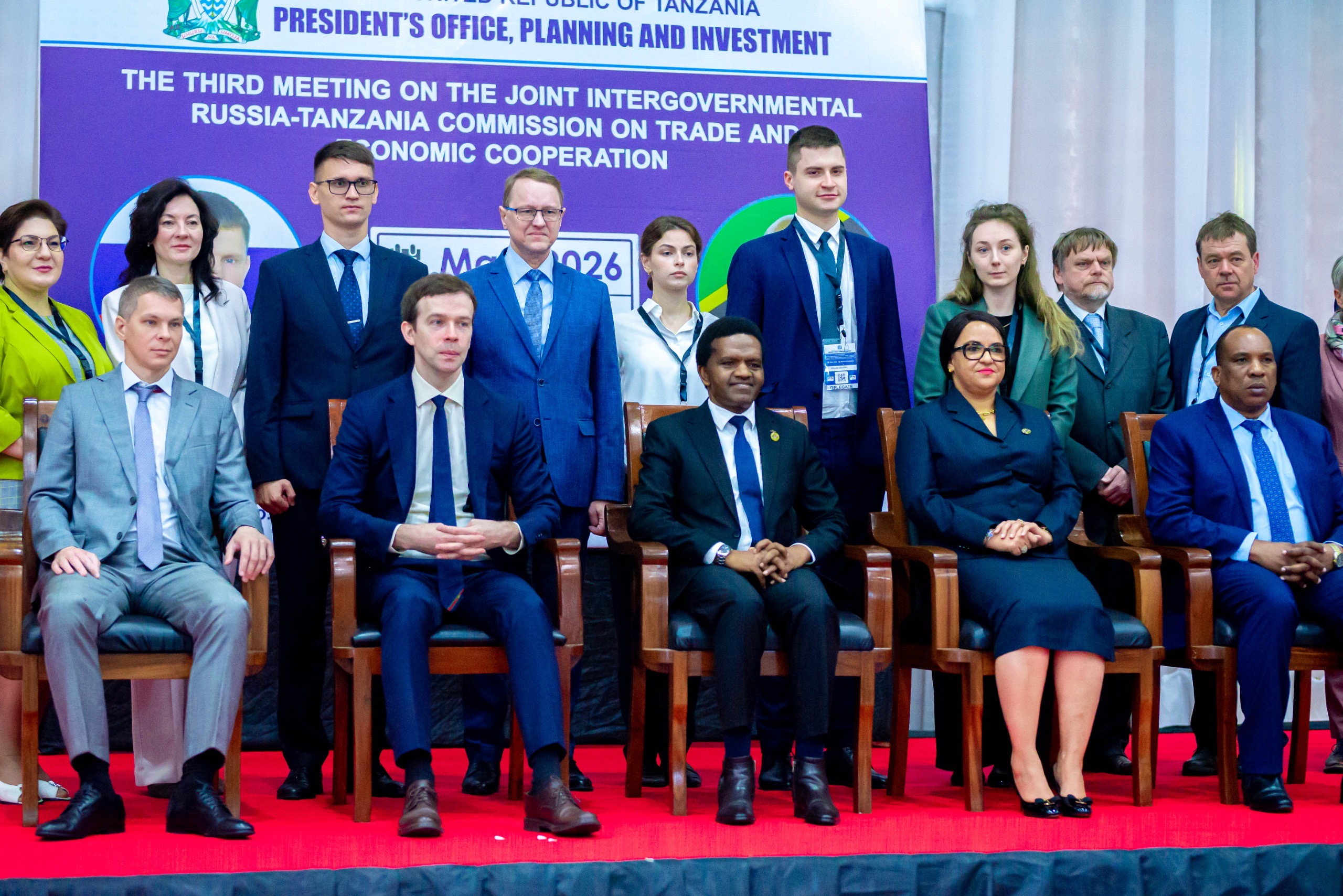
In recent years, Tanzania’s investment strategy has been gradually moving away from general promotional messaging toward structured investment platforms. This shift is visible not only in the Russia forum, but also in parallel investment initiatives coordinated through UNDP-backed frameworks and national investment agencies.
A UNDP-supported investment summit in Arusha, for example, is targeting a pipeline of around USD 2.85 billion in structured projects across tourism, energy, transport, agro-processing, and infrastructure — explicitly designed to move from “discussion” to financial closure.
This detail is important because it reflects a broader institutional change:
Tanzania is no longer just presenting opportunities. It is packaging them.
And that changes how global investors respond.
Why Tanzania Is Being Repositioned in Global Capital Flows
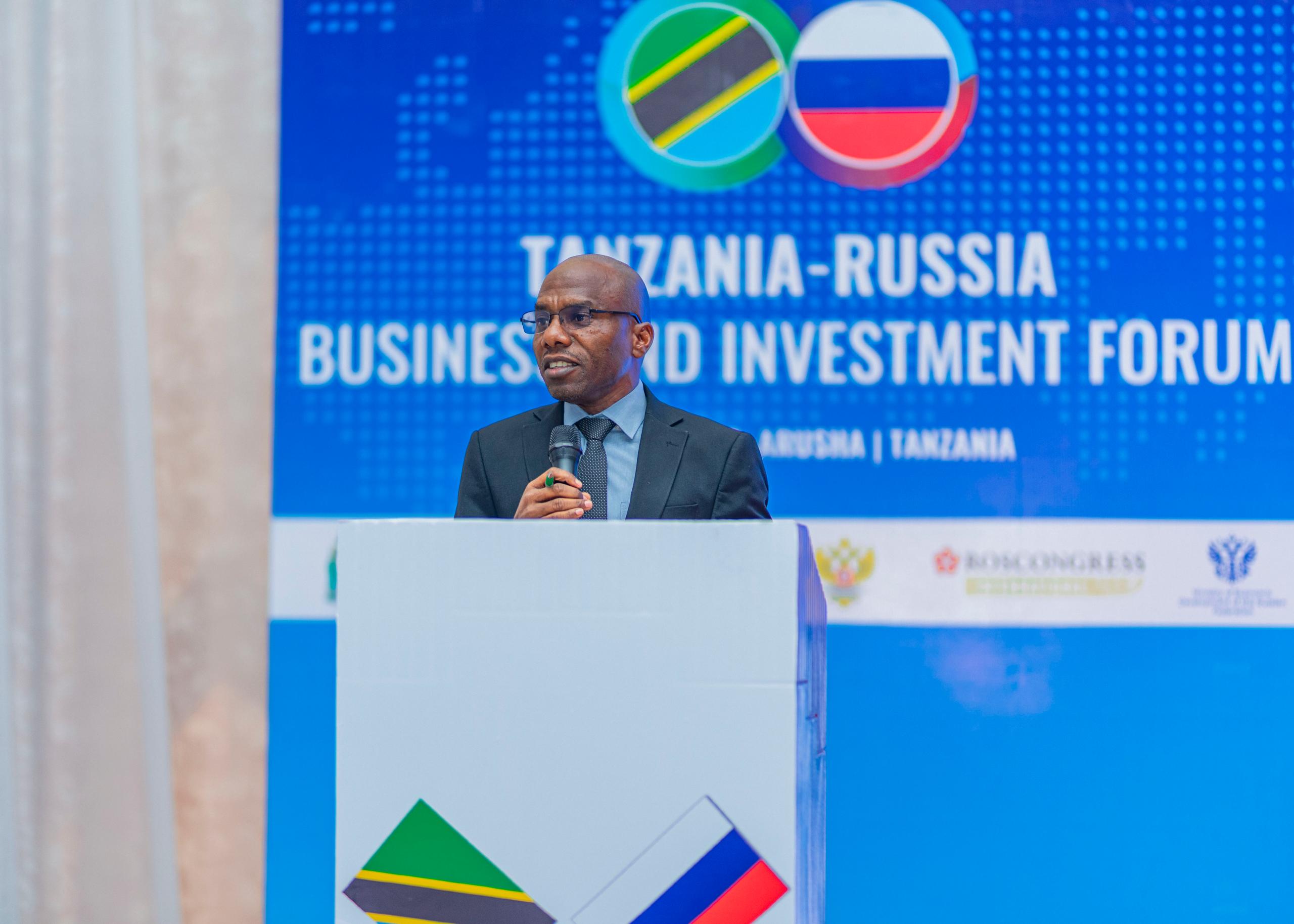
International investors are increasingly looking for what financial institutions call “bankable ecosystems” — economies where policies, infrastructure, and project pipelines are coordinated enough to reduce uncertainty.
Tanzania is attempting to build exactly that.
According to official investment briefings and government-linked economic reporting, the country is actively promoting sectors such as transport infrastructure, renewable energy, blue economy development, and agro-industrial transformation as priority investment areas.
At the same time, macroeconomic reports and development outlooks from international institutions show Tanzania maintaining steady growth, improving export performance, and expanding industrial output — conditions that typically attract long-term capital rather than speculative investment.
This combination — stability plus structured pipelines — is what global investors look for in emerging markets.
The Russia Dimension: Economic, Not Just Political
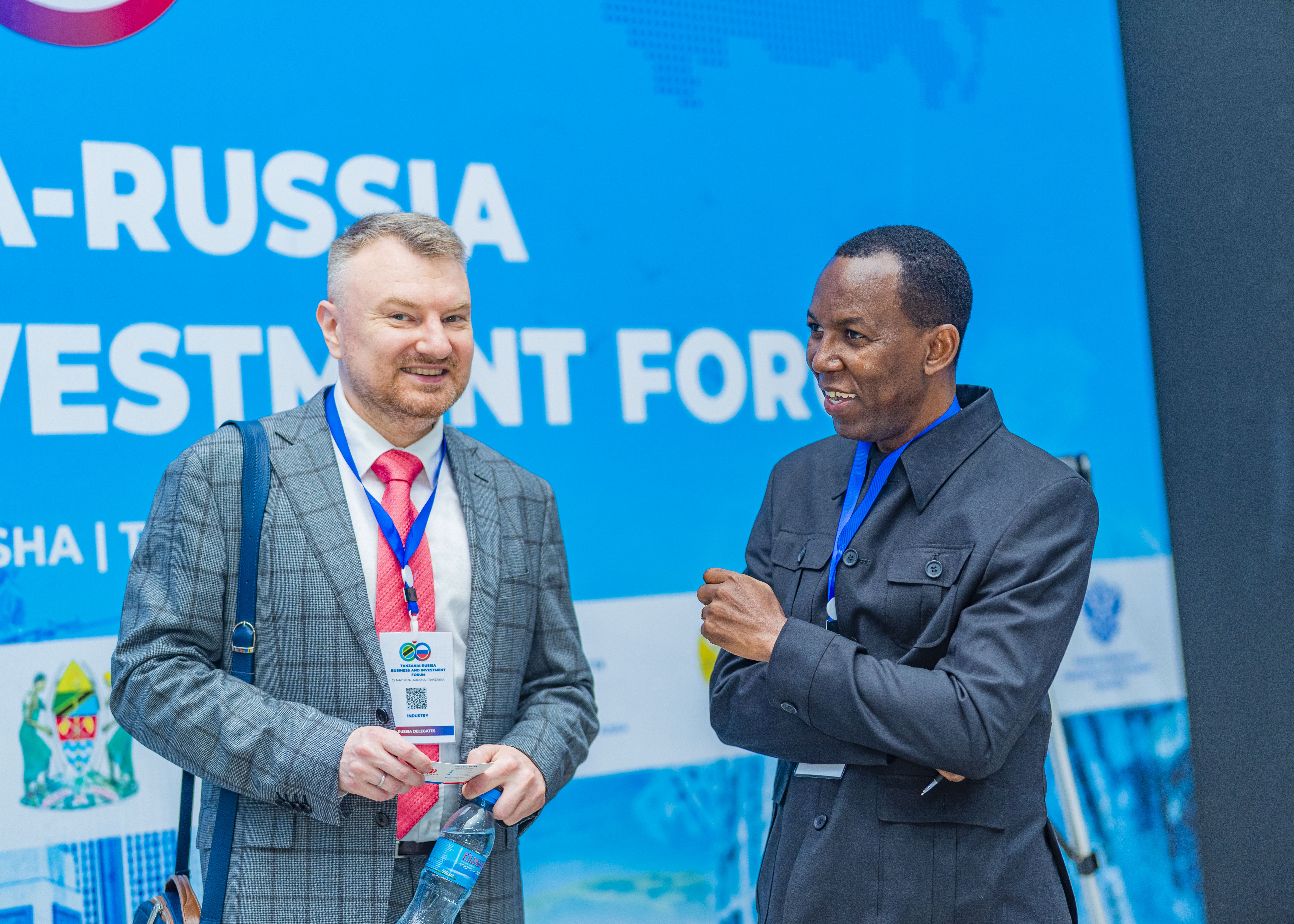
While geopolitical narratives often dominate discussions about Russia’s engagement in Africa, the Tanzania–Russia forum appears to be driven more by sectoral economics than ideology.
Official diplomatic communications and event summaries indicate discussions centered around trade expansion, transport cooperation, and investment facilitation mechanisms, rather than abstract political alignment.
This includes practical areas such as logistics systems, energy collaboration, agriculture inputs, mining cooperation, and industrial development.
In economic terms, these are not symbolic sectors. They are foundation sectors — the type that determine whether a country can move from exporting raw materials to building value-added industries.
For Russia, Tanzania represents a geographically strategic entry point into East African markets.
For Tanzania, Russia represents diversification — another channel of capital, technology, and industrial cooperation in a global environment where investment sources are becoming more fragmented.
The Real Story: Tanzania’s Investment Architecture Is Changing
What makes the current moment different from earlier investment forums is not the presence of foreign delegations, but the evolution of Tanzania’s internal investment architecture.
Across multiple official platforms, including investment facilitation bodies and development institutions, Tanzania is increasingly presenting itself through structured pipelines rather than open-ended opportunities.
The Tanzania Investment Summit framework, for example, is explicitly designed to connect global investors with vetted national projects under deal-room structures involving development banks, pension funds, and sovereign investors.
This reflects a deeper shift:
From attracting investors
to preparing investment systems.
That difference is subtle but critical.
Because capital does not respond to enthusiasm — it responds to clarity.
Why This Matters for Global Investors
From an international perspective, Tanzania is currently occupying a specific category of emerging markets:
Not the fastest-growing.
Not the largest.
But increasingly structured.
This matters because global capital today is risk-sensitive. Investors are prioritizing countries where infrastructure, governance, and sector planning reduce friction in project execution.
Tanzania’s strategy — combining long-term national vision frameworks like Dira 2050 with sector-specific investment platforms — is aimed directly at that requirement.
In practical terms, it signals three things to investors:
First, that the country is planning beyond political cycles.
Second, that investment is being organized into identifiable pipelines.
Third, that partnerships are being structured for execution rather than announcement.
These three signals are often more important than raw GDP growth figures when institutional investors make decisions.
What It Means for Tanzanians
For Tanzanians, the implications are more immediate and more tangible.
Investment forums are not abstract diplomatic events — they are early-stage indicators of where economic activity may concentrate in the coming years.
When structured correctly, they lead to:
new industrial zones, expanded logistics networks, increased energy capacity, agricultural modernization, and employment creation across formal and informal sectors.
But the key issue is always execution.
History shows that investment announcements only become meaningful when they translate into operating systems — factories that run, ports that move cargo efficiently, farms that access processing facilities, and industries that retain value locally.
That is where the real test of Tanzania’s current strategy lies.
A Quiet but Important Transition
What is unfolding between Tanzania and Russia — and more broadly across Tanzania’s investment diplomacy — is not a sudden transformation.
It is a structural transition.
One built not on dramatic announcements, but on incremental changes in how investment is organized, presented, and negotiated.
Arusha, in this context, becomes more than a conference location.
It becomes a reflection point of a larger economic repositioning:
Tanzania is not waiting to be discovered by global capital.
It is learning how to organize itself to receive it.
And in today’s global economy, that may be one of the most important competitive advantages a country can build.
If you want, I can turn this into:
-
a CNN/BBC-style breaking feature
-
a Swahili propaganda version for government communication
-
or a high-impact headline magazine cover story
good but big story shoul be about the tanzania russia event
Got it — here is a deep, long-form magazine feature focused specifically on the Tanzania–Russia Business and Investment Forum 2026, grounded in verified diplomatic and institutional reporting, but written in a more narrative, human, and publication-ready style.
Inside the Tanzania–Russia Business and Investment Forum: Where a New Economic Relationship Is Being Written
Arusha rarely becomes the center of global economic attention. Yet on the days of the Tanzania–Russia Business and Investment Forum 2026, the city carried a different kind of energy — one that felt less like diplomacy as usual and more like the early drafting of a long-term economic relationship.
The forum, held alongside the 3rd session of the Tanzania–Russia Joint Intergovernmental Commission on Trade and Economic Cooperation, brought together government officials, investors, and private sector representatives from both countries. According to official reporting and diplomatic communications, the agenda was not symbolic. It was practical — focused on trade expansion, investment cooperation, and sector-based economic engagement between Tanzania and Russia. (afrinz.ru)
But what makes this forum significant is not simply that it happened.
It is what it represents.
A Relationship Moving From History to Economics
Tanzania and Russia share more than six decades of diplomatic relations, a history rooted in political cooperation dating back to the early post-independence era. However, what unfolded in Arusha signals a shift in the nature of that relationship — from historical diplomacy toward economic structuring.
In official statements linked to the forum, discussions were centered on expanding cooperation in trade, agriculture, energy, mining, transport, education, and industrial development. These are not abstract sectors. They are the core pillars of economic transformation. (mid.ru)
What is changing is the tone.
Instead of general friendship narratives, the conversation is increasingly about how capital moves, how industries are built, and how both countries can participate in long-term value creation.
This shift reflects a broader global reality: international partnerships are becoming more economic and less symbolic.
Why Tanzania Is Central to the Conversation
To understand why the forum matters, it is necessary to understand where Tanzania sits in the global economic map.
The country is not only one of East Africa’s largest economies; it is also a strategic gateway for regional trade. Through the Port of Dar es Salaam and expanding transport corridors, Tanzania connects landlocked countries such as Zambia, Rwanda, Burundi, Uganda, and parts of the Democratic Republic of Congo to global markets.
This makes Tanzania more than a national economy — it is a regional logistics hub.
According to international trade and development analysis, Tanzania’s ongoing infrastructure investments in ports, railways, and energy systems are part of a long-term effort to strengthen its position as a regional trade gateway. (trade.gov)
In simple terms, investing in Tanzania is increasingly about accessing a wider regional economy, not just a single country market.
That is one of the key reasons international interest is growing.
Russia’s Strategic Economic Interest
Russia’s participation in the forum reflects a broader expansion of its economic engagement with African countries, focusing more on trade, industrial cooperation, and sector-based partnerships.
According to official diplomatic coverage, discussions in Arusha included areas such as agricultural modernization, mining cooperation, logistics development, energy systems, and technical collaboration. (afrinz.ru)
These sectors are important because they form the backbone of industrial economies.
Agriculture ensures food security and export capacity.
Mining supplies global industrial inputs.
Energy powers industrialization.
Transport systems enable trade efficiency.
Taken together, these are not short-term opportunities — they are long-cycle economic foundations.
For Russia, Tanzania offers access to a stable East African partner with strategic regional influence. For Tanzania, Russia offers an additional source of capital, technical expertise, and industrial cooperation at a time when many African countries are diversifying their international partnerships.
The Quiet Shift Toward Investment-Driven Diplomacy
One of the most important features of the forum is how it reflects a broader transformation in Tanzania’s development strategy.
In recent years, Tanzania has been strengthening its investment frameworks, improving project structuring, and aligning national development priorities with long-term planning under its Vision 2050 agenda. This vision targets industrialization, private sector expansion, and long-term economic competitiveness.
What this means in practice is a shift from policy announcements to investment readiness.
Countries that attract serious capital are not those that only promote opportunities — they are those that can structure those opportunities into bankable projects.
The Tanzania–Russia forum reflects that direction.
It is less about speeches and more about alignment between investors and national priorities.
What Happens After the Forum Matters More Than the Forum Itself
Every investment forum carries the same risk: visibility without execution.
The real question for Tanzania is not what was discussed in Arusha, but what follows in the months and years ahead.
Will discussions in agriculture translate into actual agro-processing investments?
Will energy cooperation lead to operational projects?
Will transport agreements materialize into functioning infrastructure partnerships?
This is where economic diplomacy is tested.
Because forums do not build factories. Agreements do not move cargo. Memorandums do not create jobs.
Implementation does.
And this is where Tanzania’s broader investment ecosystem will be watched closely by global investors.
The Investor Perspective: Why This Forum Signals Something Larger
From an international investor standpoint, the Tanzania–Russia Business and Investment Forum is part of a wider trend: emerging markets are becoming more structured in how they present investment opportunities.
Tanzania’s approach — combining long-term national vision frameworks with sector-based investment engagement — is increasingly aligned with what institutional investors look for: clarity, predictability, and pipeline readiness.
In global capital markets, perception is shaped less by rhetoric and more by structure.
And Tanzania is gradually moving toward a more structured investment identity.
The Human Layer: What It Means Beyond Economics
Beyond geopolitics and investment flows, the forum also carries a human dimension.
For Tanzania, economic partnerships like this ultimately connect to employment, skills development, industrial participation, and income generation.
For young people, these discussions are not distant diplomatic events. They are early indicators of where future industries may emerge — whether in manufacturing zones, agricultural processing, logistics systems, or energy infrastructure.
The success of such partnerships will not be measured in conference declarations, but in whether they translate into real economic participation at local level.
A Relationship Still Being Written
The Tanzania–Russia Business and Investment Forum 2026 does not mark an endpoint.
It marks a beginning of a more structured phase of engagement between two countries redefining how they interact economically.
What is emerging is not just a diplomatic relationship, but an attempt to build a practical economic corridor — one that connects investment, infrastructure, and industrial cooperation across borders.
Whether this corridor becomes transformative will depend not on the forum itself, but on what is built after it.
For now, Arusha represents something subtle but important:
A place where economic intentions were placed on the table — and where the real work of turning them into reality is only just beginning.
More from Capital Tanzania
Investment
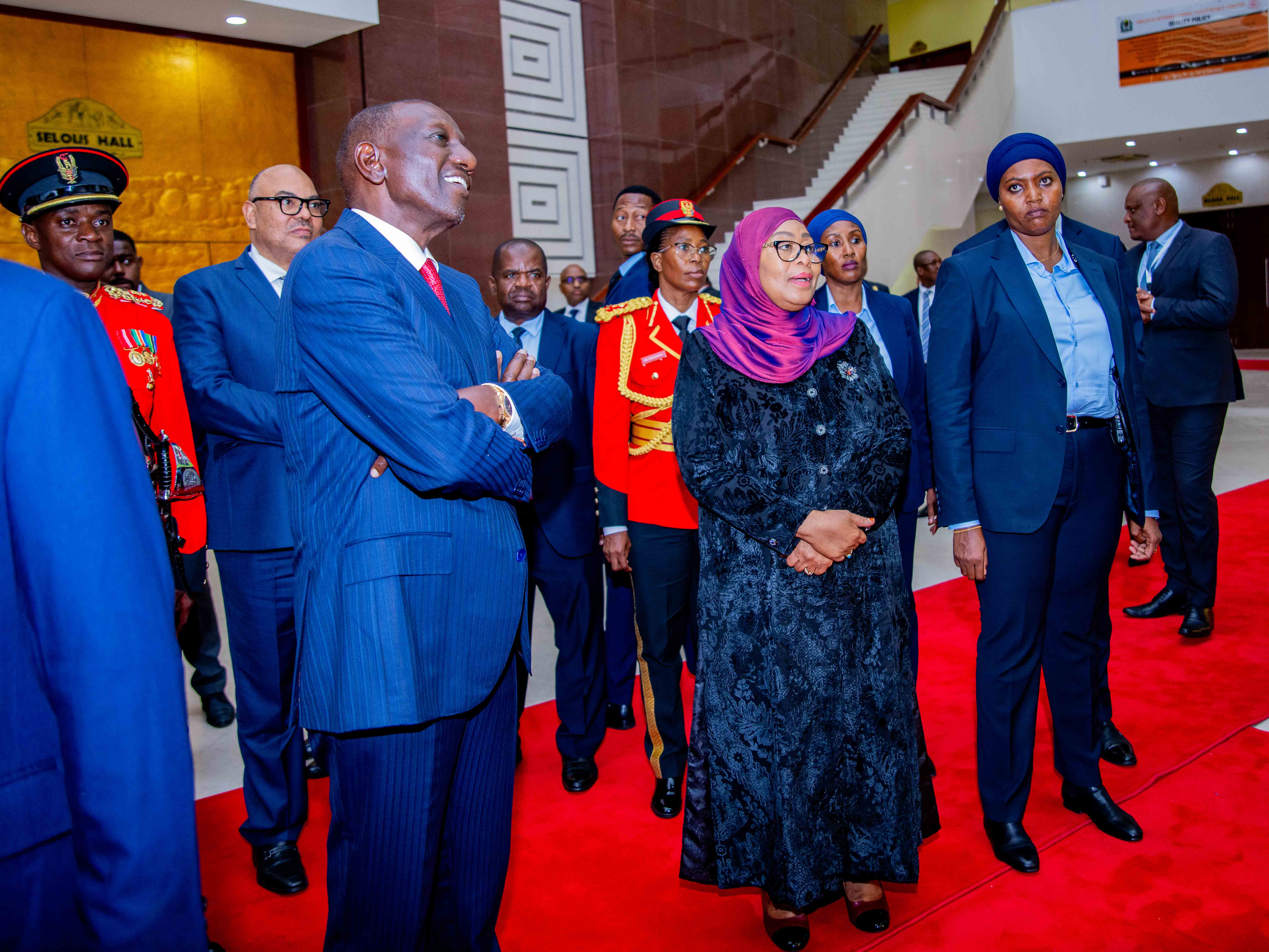
Tanzania–Kenya Business Forum 2026: A New Regional Trade Moment for East Africa
The forum brought together government leaders, investors, private-sector players, and trade institutions under one central message: unlocking private sector growth and investment.
Investment
Top Five Sectors to Invest in Tanzania: Where Capital Should Look Next
For investors, the real question is no longer whether Tanzania has opportunities. The question is which sectors have the strongest mix of demand, policy support, resource advantage and long-term growth potential.
Investment
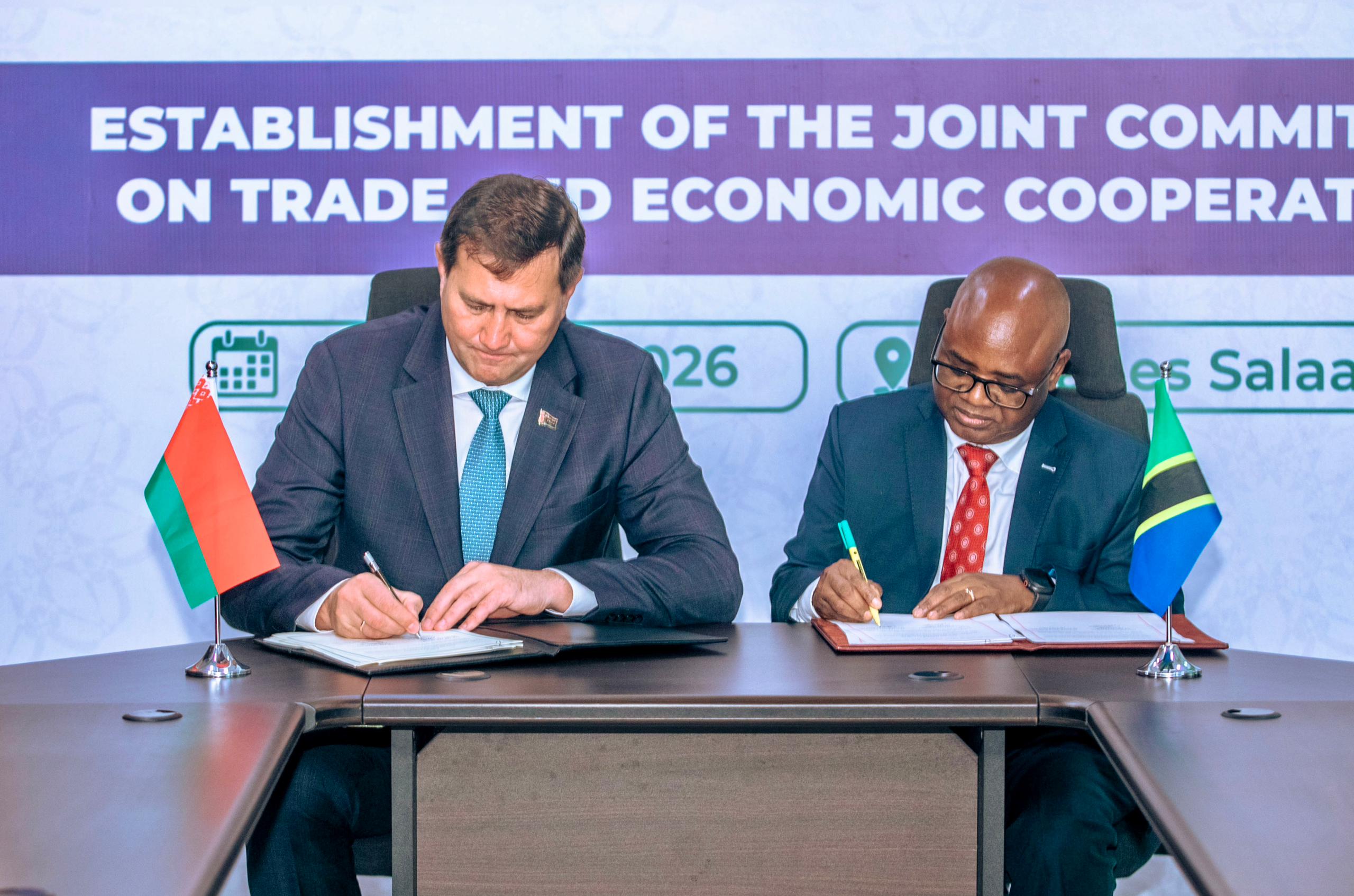
Rewiring Partnerships: Why Tanzania’s Belarus Deal Matters Now
At first glance, Belarus may not appear among Tanzania’s traditional investment partners. But that’s precisely where the strategic opportunity lies.