
Rewiring Partnerships: Why Tanzania’s Belarus Deal Matters Now
At first glance, Belarus may not appear among Tanzania’s traditional investment partners. But that’s precisely where the strategic opportunity lies.

By Capital Tanzania Magazine
April 30, 2026 · 5 min read
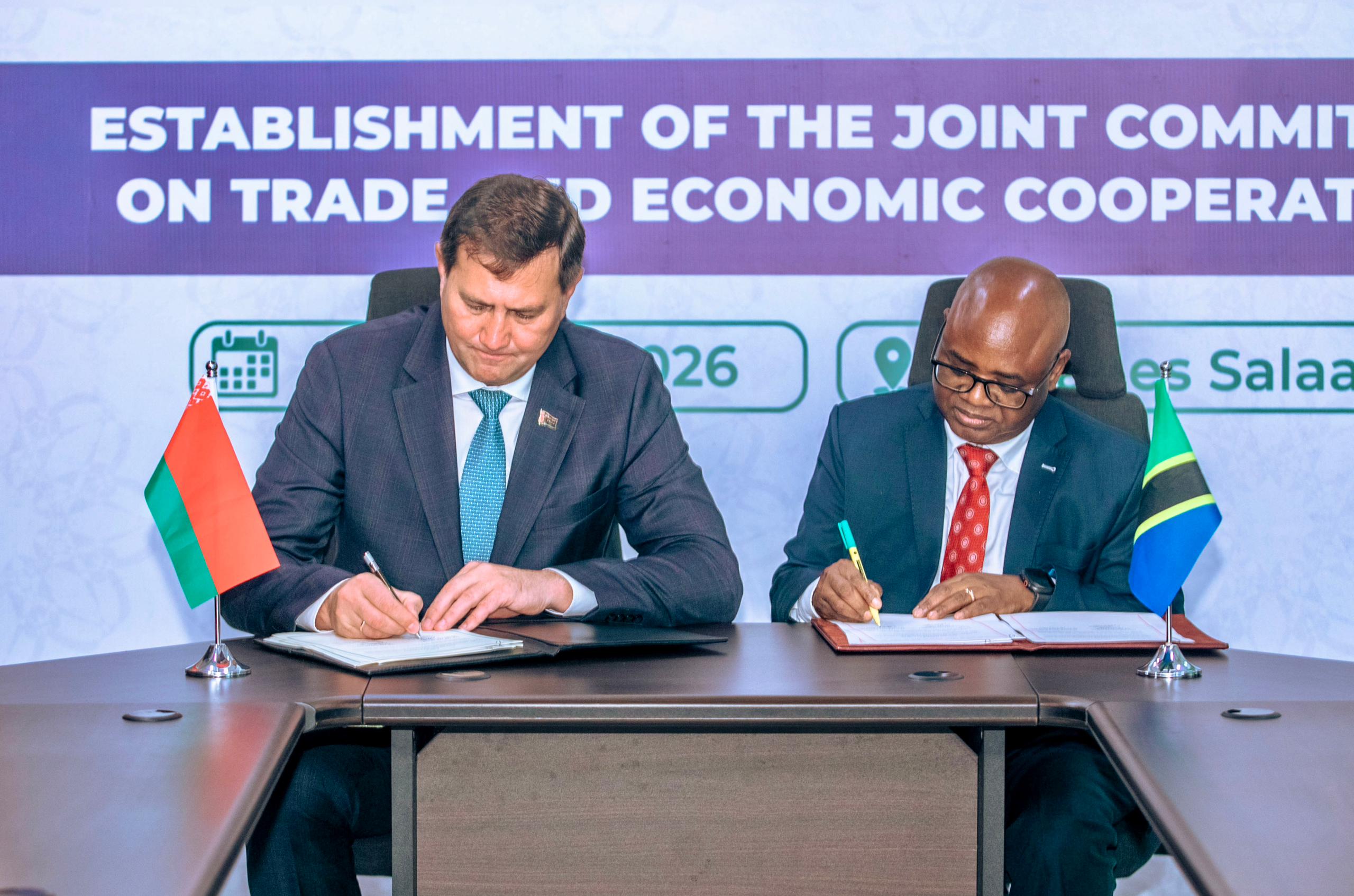
Tanzania is making a calculated move to convert underutilized diplomatic relationships into tangible economic outcomes, following the signing of a Joint Committee on Trade and Economic Cooperation with the Republic of Belarus.
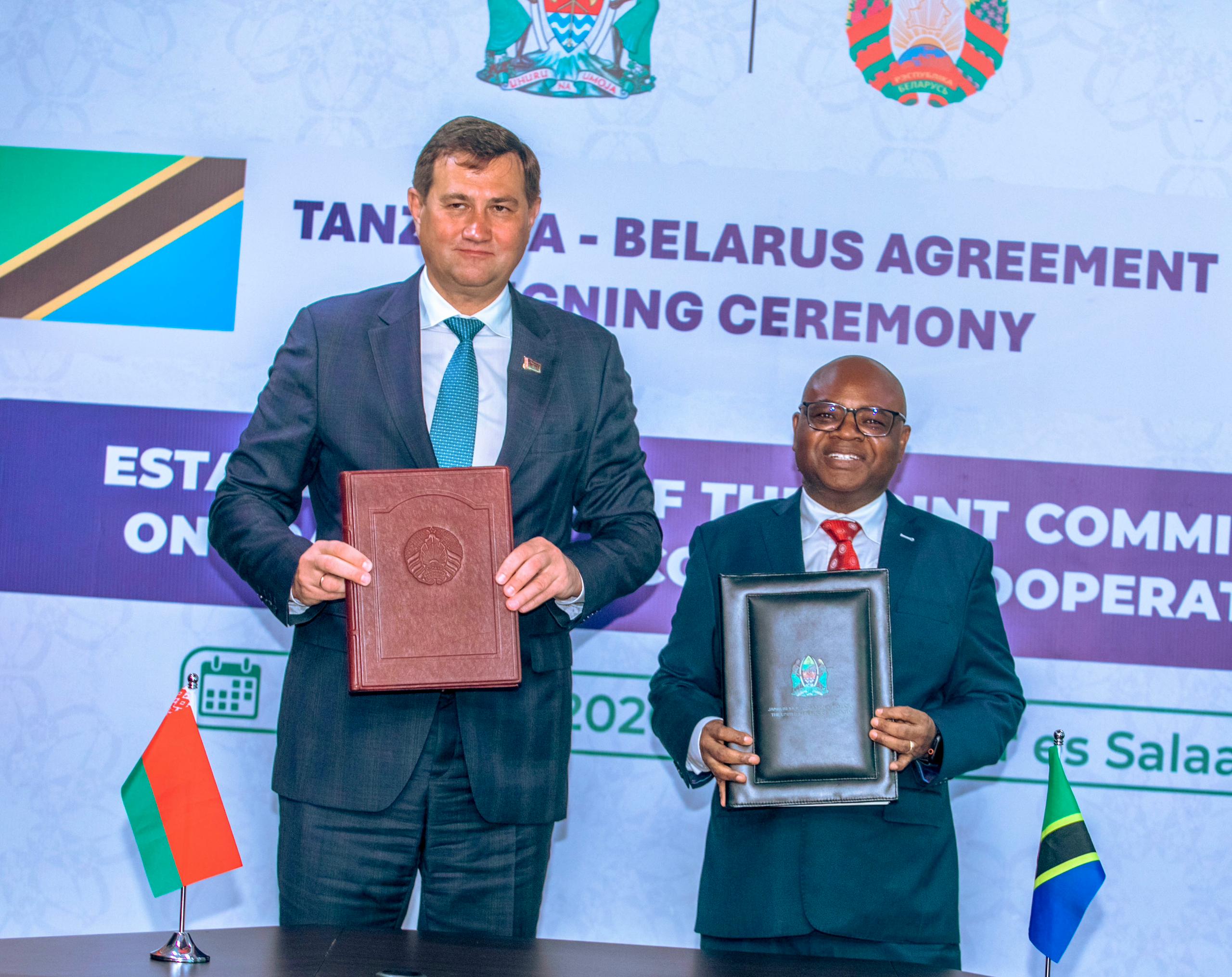
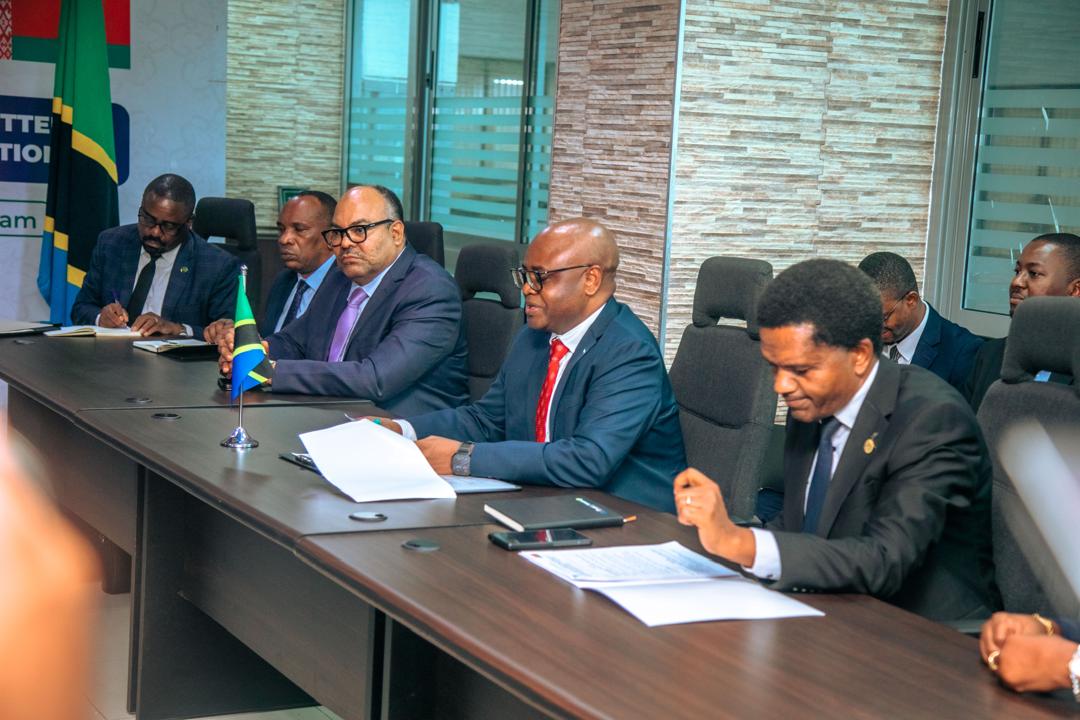
The agreement was witnessed by the Minister of State in the President’s Office for Planning and Investment, Prof. Kitila Mkumbo, alongside Belarus’ Minister of Foreign Affairs, Maxim Ryzhenkov. The meeting also brought together Tanzania’s Minister for Foreign Affairs and East African Cooperation, Ambassador Mahmoud Thabit Kombo, and the Permanent Secretary responsible for Investment, Dr. Fred Msemwa, alongside senior government officials, investment authorities, and business representatives from both countries.
This level of representation is not symbolic—it signals alignment across policy, diplomacy, and execution arms of government, a necessary condition for translating agreements into actual investment flows.
Why Belarus—and Why Now?
At first glance, Belarus may not appear among Tanzania’s traditional investment partners. But that’s precisely where the strategic opportunity lies.
Belarus, a post-Soviet industrial economy, has built its strength on heavy manufacturing, machinery production, and agro-industrial systems. Its industrial base—rooted in Soviet-era engineering—has evolved into a specialized capability in:
-
Agricultural machinery (tractors, harvesters)
-
Heavy-duty transport equipment
-
Fertilizer and agro-processing inputs
Unlike many Western economies focused on services, Belarus remains production-oriented, making it a relevant partner for a country like Tanzania that is still building its industrial core.
Closing the Gap: From Marginal Flows to Structured Investment
The economic relationship between Tanzania and Belarus has historically been minimal—just five registered projects worth approximately $2.15 million over nearly three decades.
This is not a failure of diplomacy—it is a failure of structure.
The newly established Joint Committee changes that by introducing:
-
Institutional coordination mechanisms
-
Regular technical engagements
-
Sector-focused investment pipelines
This transforms a passive relationship into an active economic corridor.
Where the Real Impact Lies
1. Industrial Capacity Transfer
Tanzania’s industrialization push has long been constrained by limited access to machinery and technical systems.
Belarus offers:
-
Industrial equipment production capacity
-
Technology transfer opportunities
-
Potential joint assembly and manufacturing plants
This could reduce reliance on imports and accelerate domestic production.
2. Agricultural Transformation
Agriculture employs the majority of Tanzanians—but productivity remains low.
With Belarusian mechanization:
-
Farm efficiency could increase significantly
-
Post-harvest losses could decline
-
Agro-processing industries could expand
This directly supports value addition—a central pillar of Dira 2050.
3. Strategic Infrastructure Support
Industrial growth requires logistics.
Belarus’ capabilities in heavy vehicles and transport systems can support:
-
Infrastructure development
-
Industrial supply chains
-
Regional trade expansion
Dira 2050: From Policy to Production
Tanzania’s Development Vision 2050 is clear: build a competitive, industrial, high-income economy.
But execution has always been the constraint.
This partnership matters because it targets execution—not just policy.
By engaging a production-driven economy like Belarus, Tanzania is shifting toward partnerships that build factories, not just frameworks.
The Real Signal: Alignment Across Power Centers
The presence of key actors—from foreign affairs to investment authorities and business leadership—indicates something deeper:
This is not just a diplomatic event. It is a coordinated economic strategy.
When ministries, investment agencies, and private sector representatives align at the same table, the probability of actual deal flow increases significantly.
Bottom Line
This agreement is not about Belarus alone.
It reflects a broader shift in Tanzania’s strategy:
-
Diversifying global partnerships
-
Targeting industrial economies
-
Converting agreements into execution platforms
If followed through, this could mark the beginning of a new phase—where Tanzania leverages non-traditional partners to accelerate industrialization under Dira 2050.
The opportunity is real.
Execution will determine everything.
More from Capital Tanzania
Investment
Best Investment Opportunities in Tanzania From 2026
As Tanzania enters a new growth cycle, the strongest opportunities are shifting from raw potential to value addition, infrastructure, energy, food systems, and regional trade.
Investment
Tanzania–Kenya Business Forum 2026: A New Regional Trade Moment for East Africa
The forum brought together government leaders, investors, private-sector players, and trade institutions under one central message: unlocking private sector growth and investment.

Investment
Top Five Sectors to Invest in Tanzania: Where Capital Should Look Next
For investors, the real question is no longer whether Tanzania has opportunities. The question is which sectors have the strongest mix of demand, policy support, resource advantage and long-term growth potential.