
Best Investment Opportunities in Tanzania From 2026
As Tanzania enters a new growth cycle, the strongest opportunities are shifting from raw potential to value addition, infrastructure, energy, food systems, and regional trade.

By Capital Tanzania Magazine
May 8, 2026 · 5 min read
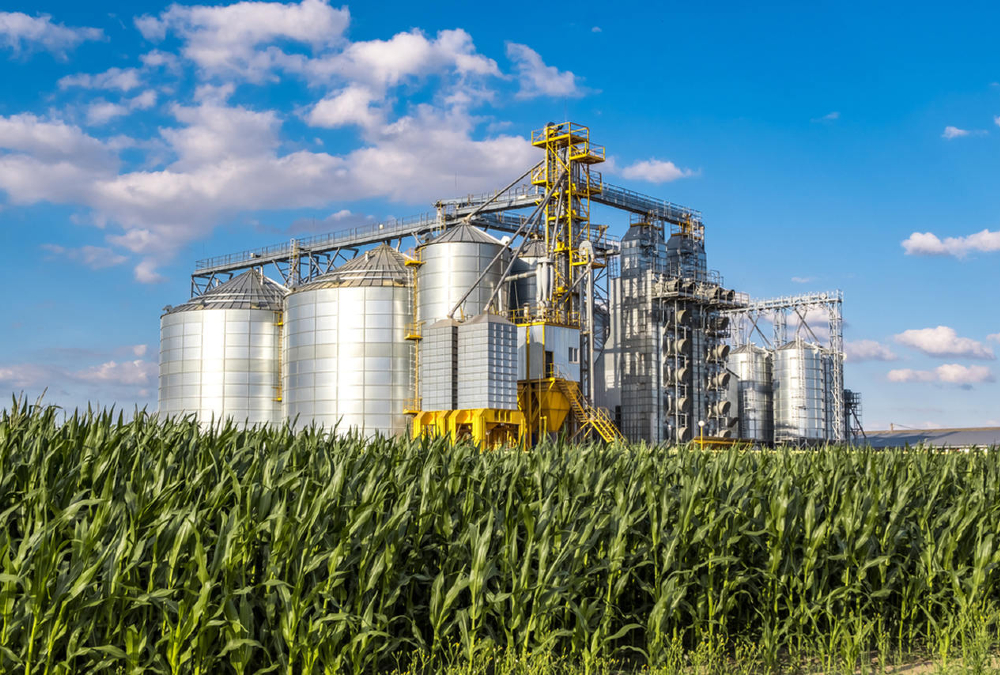
Tanzania is entering 2026 with a different investment story. For years, the country was described mainly as a land of natural resources, tourism, and agriculture. That description is still true, but it is no longer enough.
From 2026, Tanzania’s strongest investment opportunities will not only come from raw resources. They will come from value addition, infrastructure corridors, regional trade, food systems, energy demand, digital transformation, tourism upgrading, and industrial production.
The economic base is strong. Tanzania’s economy is forecast to grow by around 6.3% in 2026, while government spending for the next fiscal year is expected to rise to about TSh 61.93 trillion, signalling continued investment in development projects and public infrastructure. The Bank of Tanzania’s latest investment report also shows that FDI inflows reached USD 1.656 billion in 2024, with inflows concentrated in mining and quarrying, finance and insurance, manufacturing, and information and communication.
This means the best investment areas in Tanzania from 2026 are not random. They are the sectors where national policy, private capital, market demand, infrastructure, and regional opportunity are all moving in the same direction.
1. Agro-processing and Commercial Agriculture
Agriculture remains the most important investment foundation in Tanzania because it touches food security, employment, exports, manufacturing, logistics, and rural income. The sector contributed about 24.6% of GDP and grew by 4.0% in 2025, while food crop production reached 23.78 million tonnes in the 2024/25 season.
But the real opportunity from 2026 is not just farming. It is processing what Tanzania already produces.
Tanzania produces maize, rice, cashew nuts, coffee, tea, cotton, sunflower, sesame, pulses, fruits, vegetables, avocado, and livestock products. The problem is that too much value is still lost through raw exports, post-harvest losses, weak storage, limited cold-chain systems, and insufficient processing capacity.
That is where investors should look.
The strongest opportunities are in rice milling, edible oil processing, fruit drying, avocado packaging, meat processing, dairy, animal feed, cashew processing, grain storage, cold rooms, irrigation systems, agricultural machinery leasing, and input distribution.
Avocado is especially important. The Ministry of Agriculture is targeting 235,000 tonnes of avocado production in 2026/27, with exports projected at 40,000 tonnes. Traditional cash crop production is also targeted to rise to 2.118 million tonnes, a 32.4% increase from 2025/26.
This shows a clear shift: Tanzania is no longer treating agriculture only as subsistence. It is turning agriculture into an export and industrial base.
For investors, the best entry point is not always owning large farms. In many cases, better returns may come from building the missing systems around farmers: warehouses, quality control, packaging, transport, irrigation, processing, and export certification.
Why this sector is strong from 2026: Tanzania has land, water potential, labour, regional demand, and rising government support. The country can feed itself, supply East Africa, and export selected crops globally.
Main risk: agriculture depends on climate, logistics, quality standards, and farmer aggregation. Investors who solve these problems will have the advantage.
2. Energy and Power Infrastructure
Energy is one of Tanzania’s biggest investment stories from 2026 because every other sector depends on it. Manufacturing, mining, cold storage, digital infrastructure, real estate, hotels, and agro-processing all need reliable electricity.
As of March 2024, Tanzania’s grid-connected generation capacity had reached 2,138 MW, a 14.2% increase from the previous year, with major projects including the Julius Nyerere Hydropower Project and Rusumo hydropower project forming part of the national energy expansion agenda.
The opportunity is bigger than electricity generation alone. Tanzania needs investment in transmission, distribution, mini-grids, solar systems, industrial power solutions, battery storage, clean cooking, gas infrastructure, and energy services for mines and factories.
Energy is also becoming a regional investment issue. African governments, including Tanzania, committed under the Mission 300 initiative to reform electricity sectors, integrate renewable energy, and raise connection targets. The initiative aims to connect 300 million people in Africa to electricity by 2030 and mobilise at least USD 90 billion in capital.
For Tanzania, energy investment is not only about households. It is about industrial competitiveness. A country cannot become a manufacturing hub if electricity is expensive, unreliable, or unavailable in industrial zones.
The best opportunities are in solar mini-grids for rural growth centres, captive power for factories, renewable energy for tourism lodges, energy-efficient cold storage, gas-to-industry projects, and power solutions for mining sites.
Why this sector is strong from 2026: electricity demand will rise as Tanzania industrialises, urbanises, digitises, and expands mining and manufacturing.
Main risk: energy projects require regulatory clarity, strong offtake agreements, financing discipline, and long-term patience.
3. Mining and Critical Minerals
Mining is one of Tanzania’s strongest investment sectors because it combines existing performance with future global demand. The country already has gold, gemstones, coal, limestone, graphite, nickel, helium, rare earth elements, lithium, cobalt, heavy mineral sands, and other strategic minerals.
The 2026/27 mining budget targets TSh 1.41 trillion in revenue from the sector. Reports indicate that mining’s contribution to GDP has climbed to 11.9%, while mineral exports rose 31.1% to USD 5.4019 billion in 2025.
The biggest investment shift is in critical minerals. Between July 2025 and March 2026, the Mining Commission reportedly issued 454 licences covering graphite, nickel, cobalt, lithium, heavy mineral sands, and rare earth elements. These included 271 graphite licences and 136 nickel licences.
This matters because the world is moving toward electric vehicles, batteries, renewable energy, electronics, and green industrial supply chains. Tanzania can position itself not only as a miner, but as a processor and supplier of minerals needed by the global energy transition.
However, the smartest investment is not only extraction. The bigger opportunity is mineral value addition: processing, refining, cutting and polishing gemstones, producing industrial inputs, supplying mining equipment, environmental services, geological services, transport, worker housing, and mine-site energy.
The Buzwagi value-addition hub and focus on strategic minerals show where policy is heading. Tanzania wants more local beneficiation instead of exporting raw minerals.
Why this sector is strong from 2026: global demand for critical minerals is rising, Tanzania has proven mineral potential, and the government is pushing value addition.
Main risk: mining is capital-intensive and exposed to commodity price changes, licensing complexity, ESG requirements, and community relations. Investors must treat compliance and local benefit-sharing as part of the business model, not as an afterthought.
4. Transport, Logistics, and Trade Corridors
Tanzania’s location is one of its most valuable assets. It has access to the Indian Ocean, major ports, and land-linked trade routes to Rwanda, Burundi, Uganda, Zambia, Malawi, and the Democratic Republic of Congo.
From 2026, logistics will become one of the most important investment categories because Tanzania is building the infrastructure needed to serve both domestic and regional markets.
A major example is the Standard Gauge Railway. In April 2026, Standard Chartered arranged a USD 2.33 billion financing facility for two stretches of Tanzania’s SGR project. The railway is designed to connect Dar es Salaam to Mwanza and support wider connectivity with landlocked neighbours including Rwanda, Burundi, Uganda, and the DRC.
This is a big deal for investors.
When transport improves, the cost of moving goods falls. When logistics improves, agriculture, mining, manufacturing, retail, construction, and exports become more competitive. Tanzania’s investment case becomes stronger not only because of what it produces, but because of where it can move goods.
The best opportunities are in warehousing, dry ports, trucking fleets, rail-linked logistics, cold-chain transport, bonded warehouses, port services, customs support, freight forwarding, packaging, and regional distribution centres.
This sector is especially powerful when connected to agro-processing and mining. A rice mill needs transport. A cold storage business needs transport. A mineral processor needs transport. A regional wholesaler needs transport.
Why this sector is strong from 2026: Tanzania is becoming a regional gateway, and infrastructure investment is opening new trade corridors.
Main risk: logistics depends on regulation, fuel costs, border efficiency, road quality, port performance, and competition. The best investors will use technology and formal systems to reduce delays and improve reliability.
5. Tourism, Hospitality, and Experience Economy
Tourism remains one of Tanzania’s most visible and bankable sectors. The country has globally recognised destinations: Serengeti, Ngorongoro, Zanzibar, Mount Kilimanjaro, Nyerere National Park, Ruaha, Mafia Island, cultural tourism routes, beaches, wildlife, and conference tourism.
The sector is recovering strongly. Official statistics reported by Xinhua show Tanzania welcomed about 2.09 million foreign tourists between January and November 2025, a 9% year-on-year increase, while tourism revenue reached a record USD 4.2 billion.
But the best opportunity from 2026 is not only more hotels. It is better tourism products.
Tanzania needs investment in mid-range hotels, luxury lodges, eco-lodges, domestic tourism packages, conference facilities, cultural experiences, digital booking platforms, tour transport, aviation links, marine tourism, wellness tourism, food tourism, and sports tourism.
The opportunity is to increase tourist spending per visitor. A tourist who comes only for a safari spends less than a tourist who also experiences culture, food, beach, wellness, conferences, and local products.
Zanzibar and mainland Tanzania can also be packaged better as one tourism economy. A visitor can do safari, beach, culture, investment meetings, and conferences in one trip.
Why this sector is strong from 2026: global tourism demand is recovering, Tanzania has world-class attractions, and the country still has room to improve product quality and visitor spending.
Main risk: tourism is sensitive to global shocks, aviation costs, service quality, conservation issues, and destination marketing. Investors must focus on quality, sustainability, and experience design.
6. Manufacturing and Industrial Value Addition
Manufacturing is where Tanzania can move from being a supplier of raw materials to a producer of finished goods. This is central to the country’s long-term development agenda. The draft Blueprint linked to Dira 2050 identifies key priority sectors including agriculture, tourism, manufacturing, construction and real estate, mining, blue economy, sports and creative industries, financial sector, and services. These were selected partly because of their job creation potential, linkages, and ability to diversify exports.
Manufacturing opportunities are strongest where Tanzania already has raw materials or rising domestic demand.
The best areas include food processing, textiles and garments, leather products, construction materials, pharmaceuticals, packaging, fertiliser blending, edible oils, cement-related products, plastic alternatives, furniture, and light engineering.
Manufacturing is also supported by population growth. More people means more demand for food, housing materials, clothing, medicines, household goods, and consumer products.
But Tanzania’s manufacturing opportunity is not just domestic. It is regional. A factory in Tanzania can serve the EAC, SADC, and AfCFTA markets if logistics, standards, and competitiveness are right.
Why this sector is strong from 2026: Tanzania has raw materials, a growing market, regional access, and policy support for industrialisation.
Main risk: manufacturing requires reliable power, skilled labour, affordable finance, consistent tax treatment, and efficient logistics. Investors must understand cost structure before entering.
7. Digital Economy, Fintech, Data, and Business Services
Tanzania’s digital economy is still underbuilt compared to its potential. That makes it one of the best investment spaces from 2026.
The opportunity is not only in mobile apps. It is in the systems that help the economy become faster: digital payments, cloud services, data centres, broadband, cybersecurity, business software, e-government support systems, logistics platforms, digital agriculture, health-tech, ed-tech, and fintech for SMEs.
The draft Blueprint specifically calls for incentives for private-sector investment in the digital economy, including broadband networks, 5G rollout, cloud services, and data centres.
This is important because every sector now needs digital infrastructure. Farmers need market information. Exporters need traceability. SMEs need payments and accounting tools. Government services need interoperability. Banks need digital risk scoring. Logistics companies need tracking systems. Hotels need booking systems. Hospitals need patient systems.
The best opportunities are in SME fintech, digital lending infrastructure, payment aggregation, cloud hosting, cybersecurity, SaaS for businesses, agritech platforms, logistics technology, and digital identity-linked services.
Why this sector is strong from 2026: Tanzania has a young population, rising smartphone usage, expanding digital payments, and large informal sectors that can be formalised through technology.
Main risk: digital businesses need trust, regulation, data protection, cybersecurity, and strong execution. A good app alone is not enough; distribution is everything.
8. Construction, Real Estate, and Building Materials
Construction and real estate will remain strong because Tanzania is urbanising, infrastructure is expanding, and demand for housing, offices, warehouses, industrial parks, student accommodation, and commercial space is growing.
But the best investment from 2026 is not luxury apartments alone. The stronger opportunity is in affordable housing, rental housing, serviced land, industrial warehouses, logistics parks, construction materials, prefabricated building systems, cement products, tiles, roofing materials, and property management systems.
As infrastructure corridors expand, land around transport routes, industrial zones, and fast-growing urban centres becomes more valuable. Real estate linked to productive activity is especially attractive: warehouses, cold storage, factory shells, and logistics yards.
The government’s broader spending plans and infrastructure pipeline support demand in construction-related industries. Tanzania’s overall spending is expected to rise by 10% in the next fiscal year, with continued focus on development projects.
Why this sector is strong from 2026: urbanisation, infrastructure, population growth, and industrial expansion all increase demand for built space.
Main risk: real estate can suffer from poor location choices, weak purchasing power, slow approvals, and oversupply in premium segments. Investors should focus on demand-backed projects, not prestige projects.
9. Blue Economy and Fisheries
Tanzania has a long coastline, lakes, islands, rivers, and marine resources. The blue economy is still underdeveloped, which makes it a serious long-term investment opportunity.
The best areas include fish processing, aquaculture, cold-chain systems, boat building and repair, marine transport, seaweed value addition, fish feed production, coastal tourism, port services, and seafood exports.
Zanzibar has already positioned the blue economy as a major development pillar, but mainland Tanzania also has significant potential through the Indian Ocean, Lake Victoria, Lake Tanganyika, and Lake Nyasa.
The opportunity is not just catching fish. It is building the value chain around fisheries: hatcheries, feed, cages, cold storage, packaging, certification, export logistics, and processing.
Why this sector is strong from 2026: Tanzania has water resources, rising protein demand, export potential, and policy attention on the blue economy.
Main risk: fisheries need sustainability, quality control, disease management, cold-chain investment, and environmental discipline.
10. Financial Services and Capital Mobilisation
Financial services are one of the most underrated investment categories in Tanzania. As the economy grows, businesses need credit, insurance, leasing, payment systems, investment products, pension products, and capital-market instruments.
The Bank of Tanzania’s investment report shows finance and insurance were among the sectors where FDI inflows were concentrated, and finance and insurance also appeared among activities with high growth of FDI inflows.
This tells us something important: investors are not only coming to produce goods. They are also coming to finance growth.
The best opportunities are in SME finance, agricultural finance, asset leasing, invoice financing, insurance products, pension-linked investment products, capital-market advisory, digital payments, micro-insurance, and diaspora investment platforms.
Tanzania’s SMEs, farmers, transporters, contractors, and traders often do not lack ideas. They lack patient, affordable, structured capital. Any financial product that solves this gap responsibly has room to grow.
Why this sector is strong from 2026: growth creates demand for finance, and underfinanced sectors like agriculture, SMEs, logistics, and manufacturing need capital.
Main risk: credit risk, regulation, weak collateral, informality, and financial literacy. Investors must combine finance with data and strong risk management.
So, What Is the Best Overall Investment?
The best single answer is: agro-processing linked with logistics and energy.
Why?
Because it connects Tanzania’s biggest strengths: agriculture, population, regional markets, industrialisation, exports, and job creation. A well-designed agro-processing investment does not only buy crops. It creates demand for farmers, transporters, packaging companies, cold storage, energy providers, financial services, and exporters.
But for larger investors, the best strategic sectors from 2026 are:
1. Agro-processing and food systems
Because Tanzania has production potential and a large food market.
2. Energy and power infrastructure
Because every growth sector depends on reliable electricity.
3. Mining and mineral value addition
Because Tanzania is moving into critical minerals and beneficiation.
4. Logistics and trade corridors
Because Tanzania is becoming a regional gateway.
5. Tourism and hospitality upgrading
Because Tanzania has global attractions but still needs better products and higher spending per visitor.
6. Manufacturing
Because value addition is the bridge between raw resources and real industrial growth.
The Bigger Picture
Tanzania’s investment opportunity from 2026 is not about one sector. It is about linkages.
Agriculture needs processing. Processing needs energy. Energy needs finance. Mining needs logistics. Logistics needs infrastructure. Tourism needs aviation, hospitality, digital systems, food supply, and skilled workers. Manufacturing needs raw materials, power, standards, and export routes.
That is why investors should stop looking at Tanzania as a place to make one isolated bet. The smarter view is to see Tanzania as a platform: a country with domestic demand, regional access, natural resources, improving infrastructure, and a policy direction that increasingly favours private-sector-led growth.
The winners from 2026 will be investors who do three things well.
First, they will invest where Tanzania already has a natural advantage.
Second, they will add value instead of simply extracting or trading raw materials.
Third, they will build businesses that solve real bottlenecks: storage, energy, finance, transport, quality, skills, and market access.
Tanzania does not lack opportunity. The next stage is execution.
And from 2026 onward, the best investments will belong to those who understand one simple truth: the future of Tanzania’s economy will be built by turning potential into value.
More from Capital Tanzania

Investment
Tanzania–Kenya Business Forum 2026: A New Regional Trade Moment for East Africa
The forum brought together government leaders, investors, private-sector players, and trade institutions under one central message: unlocking private sector growth and investment.
Investment
Top Five Sectors to Invest in Tanzania: Where Capital Should Look Next
For investors, the real question is no longer whether Tanzania has opportunities. The question is which sectors have the strongest mix of demand, policy support, resource advantage and long-term growth potential.
Investment
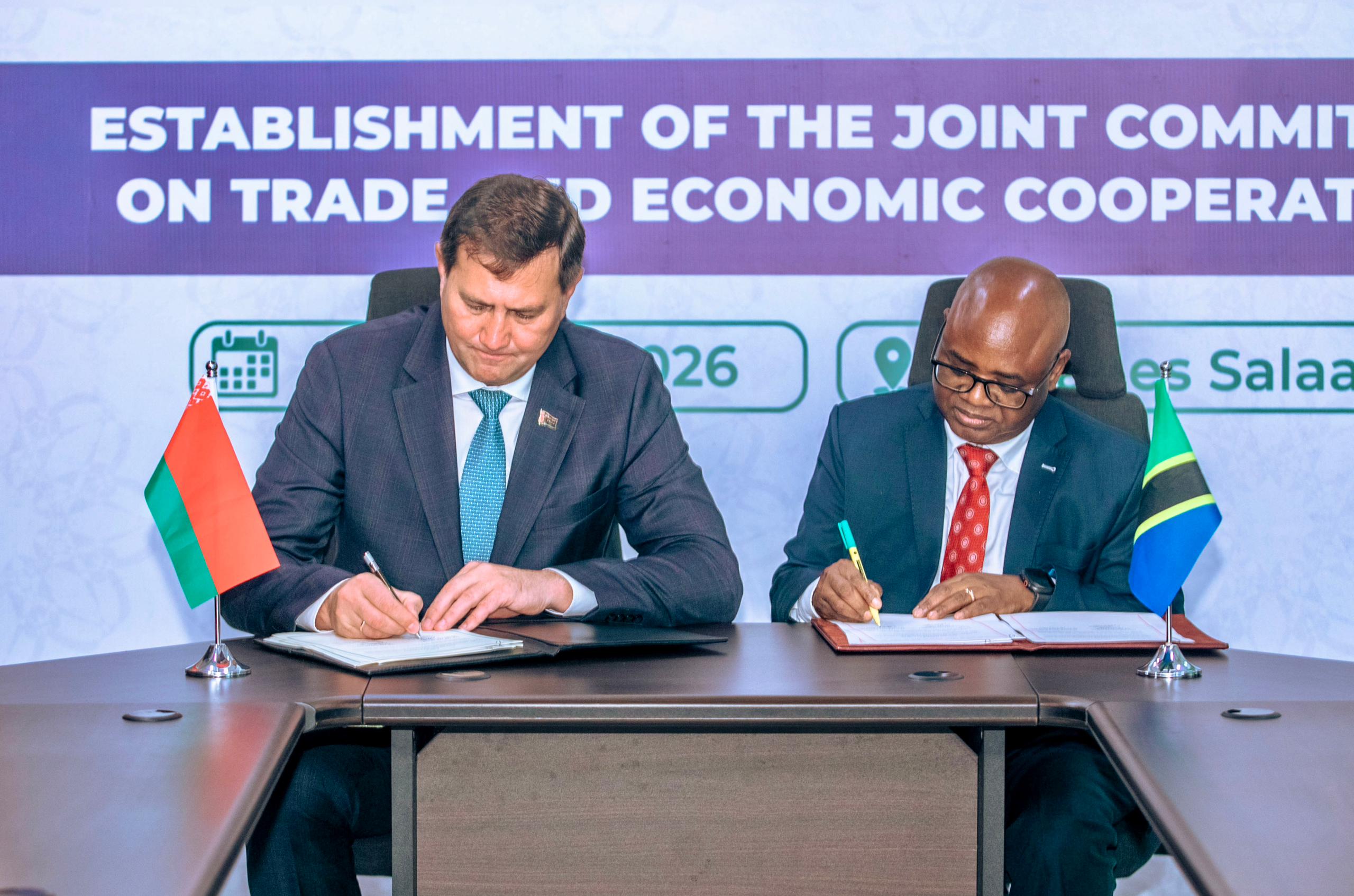
Rewiring Partnerships: Why Tanzania’s Belarus Deal Matters Now
At first glance, Belarus may not appear among Tanzania’s traditional investment partners. But that’s precisely where the strategic opportunity lies.