
Top Five Sectors to Invest in Tanzania: Where Capital Should Look Next
For investors, the real question is no longer whether Tanzania has opportunities. The question is which sectors have the strongest mix of demand, policy support, resource advantage and long-term growth potential.

By Capital Tanzania Magazine
May 2, 2026 · 5 min read

Tanzania is entering a decisive investment period. The country is not only marketing opportunities; it is building a long-term economic direction around Vision 2050, which prioritizes private-sector-led growth, structural transformation, productivity, exports and job creation.
For investors, the real question is no longer whether Tanzania has opportunities. The question is which sectors have the strongest mix of demand, policy support, resource advantage and long-term growth potential.
Below are the top five sectors to watch.
1. Agriculture and Agro-Processing

Agriculture remains one of Tanzania’s most important investment frontiers because it connects directly to food security, industrialization, exports and rural income. Tanzania has large arable land, a young labour force, regional market access and strong potential in crops such as sunflower, sesame, cashew nuts, sugarcane, cotton, horticulture, rice, maize, pulses, fruits and vegetables.
But the real opportunity is not just farming. It is agro-processing.
Tanzania is pushing investors toward value addition rather than exporting raw produce. This creates opportunities in processing factories, cold storage, warehousing, edible oil production, fertilizer and seed supply, irrigation technology, mechanization services, packaging, export logistics, animal feed and livestock processing.
The strength of this sector is simple: Tanzania produces raw materials, but many value chains still need modern processing, branding, packaging and distribution. That gap creates room for serious investors.
Agriculture is not a traditional sector anymore. The biggest returns will come from investors who treat agriculture as an industrial value chain: production, processing, storage, logistics, branding and export.
2. Manufacturing and Industrial Value Addition
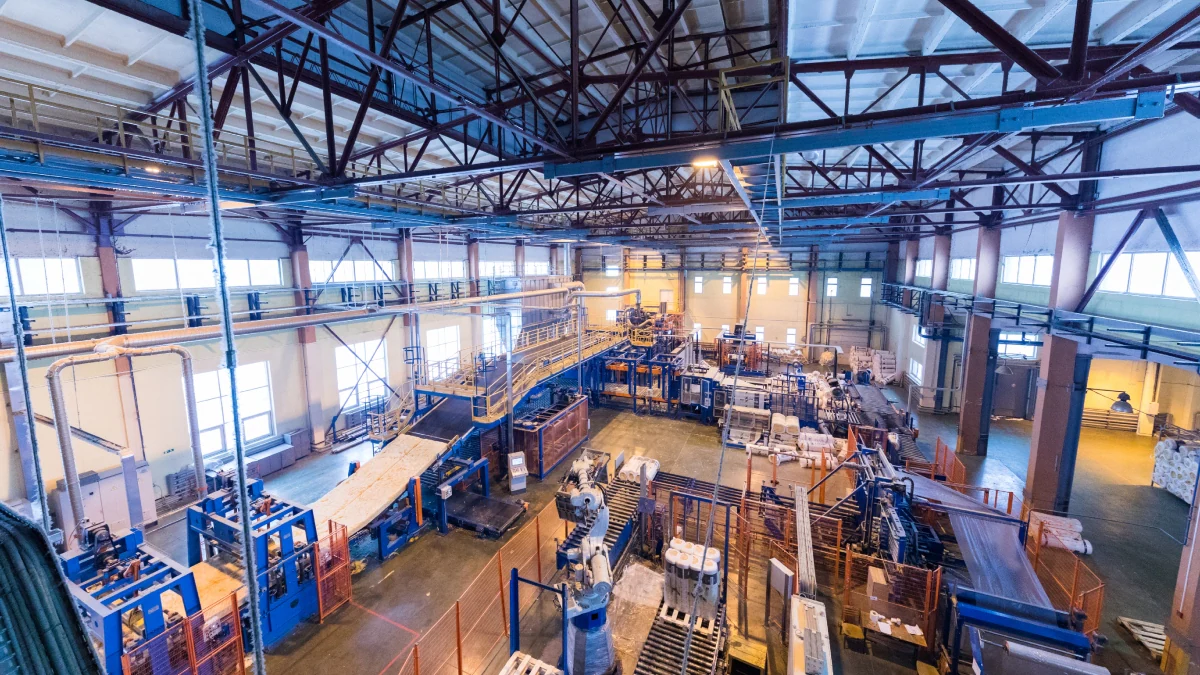
Manufacturing is one of Tanzania’s most strategic investment sectors because it supports job creation, import substitution, export growth and industrial transformation. The country wants to move away from exporting raw materials and toward producing finished or semi-finished goods locally.
The strongest opportunities are in industries that use Tanzania’s domestic raw materials, especially agro-processing, livestock value chains, mineral processing, woodworks, pharmaceutical products, medical devices, textiles, packaging, construction materials and fast-moving consumer goods.
Manufacturing does not stand alone. It connects other sectors.
Agriculture needs food processing, packaging and storage. Mining needs mineral processing and local supply chains. Tourism needs furniture, food products, textiles and construction materials. Energy projects need equipment, cables, batteries and maintenance services. Construction needs cement, steel, tiles, glass, paints and fittings.
Tanzania’s Special Economic Zones also strengthen the manufacturing case by offering a more organized environment for industrial production, investment facilitation and export-oriented businesses.
Manufacturing is where Tanzania’s investment story becomes serious. Investors who can turn local raw materials into finished products will benefit from domestic demand, regional markets and policy support.
3. Tourism and Hospitality

Tourism remains one of Tanzania’s strongest foreign exchange earners and one of the most globally visible sectors. The country has a rare combination of assets: Serengeti, Ngorongoro, Mount Kilimanjaro, Zanzibar, national parks, beaches, cultural tourism, conference tourism and emerging urban hospitality markets.
The opportunity is no longer limited to hotels and lodges. Tanzania needs deeper tourism infrastructure and services, including mid-range hotels, luxury lodges, conference facilities, tourism transport, digital booking platforms, cultural tourism products, beach tourism development, medical and wellness tourism, food supply chains and hospitality training institutions.
There is also a major opportunity in diversification. Tanzania is globally known for wildlife and Zanzibar, but the next growth phase can include southern circuit tourism, lake tourism, meetings and conferences, sports tourism, cultural heritage, film tourism and premium eco-tourism.
Tourism is no longer just about visitors. It is an ecosystem. The investor who builds services around the tourist journey — transport, hospitality, digital booking, food supply, entertainment and local experience — can capture more value than a hotel alone.
4. Mining and Critical Minerals

Mining is one of Tanzania’s most powerful investment sectors because it combines gold, gemstones, industrial minerals and new global demand for critical minerals. Tanzania is already known for gold and tanzanite, but the next wave is likely to come from minerals needed for batteries, electric vehicles, renewable energy and advanced manufacturing.
The opportunity is expanding beyond extraction. The real investment frontier is value addition.
Tanzania has potential in minerals such as graphite, nickel, cobalt, rare earth elements and heavy mineral sands. These minerals are important for electronics, renewable energy technologies, electric vehicles and modern industrial supply chains.
However, mining requires serious planning. Investors must understand commodity price cycles, infrastructure needs, environmental standards, local content rules, financing needs and regulatory compliance.
The best investment areas include mineral processing, graphite value addition, rare earth exploration and processing, mining equipment supply, laboratory and testing services, environmental services, mine logistics, local supplier development and skills training.
Tanzania’s mining future will not be defined only by who extracts minerals. It will be defined by who processes, refines, transports, finances and builds local industrial linkages around those minerals.
5. Energy, Infrastructure and Logistics

Energy and infrastructure are not just sectors by themselves. They are the foundation that determines whether other sectors can grow.
Manufacturing needs reliable power. Mining needs roads, rail and energy. Tourism needs airports and transport. Agriculture needs cold chains, irrigation, storage and logistics.
Tanzania’s energy opportunity is significant because demand is rising with industrialization, urbanization and population growth. This creates investment opportunities in solar power, wind power, mini-grids, transmission and distribution support, clean cooking solutions, battery storage, industrial power solutions, energy equipment supply, maintenance and engineering services.
Infrastructure and logistics are equally important. Tanzania is positioning itself as a regional trade gateway through Dar es Salaam port, the Standard Gauge Railway and transport corridors serving landlocked countries.
For investors, logistics can reduce business costs and open regional market access. A factory in Tanzania is not only serving Tanzania; it can serve East Africa, Central Africa and the Indian Ocean trade route.
The best opportunities include renewable energy generation, industrial park power solutions, cold-chain logistics, warehousing, freight and trucking, rail-linked logistics hubs, port services, inland container depots, agro-logistics and e-commerce delivery infrastructure.
Energy and logistics are the silent engines of Tanzania’s investment future. Investors who solve power, transport and storage problems will not only make money; they will enable other sectors to grow.
The Bigger Picture: Why Tanzania Now?
Tanzania’s investment momentum is supported by three major forces.
First, the policy direction is clearer. Vision 2050 places private sector growth, industrial transformation and productivity at the centre of the country’s long-term development path.
Second, investment activity is rising, with more registered projects, expanding investor interest and stronger attention on investment facilitation.
Third, the country’s external position is supported by key earners such as gold, agriculture exports and tourism, while infrastructure development continues to improve regional connectivity.
This does not mean every investment will succeed. Investors still need to study land access, infrastructure, permits, financing costs, skills availability, tax treatment, environmental requirements and market demand.
But the direction is clear: Tanzania is building a stronger platform for long-term capital.
Conclusion
The top five sectors to invest in Tanzania are:
Agriculture and agro-processing
Manufacturing and industrial value addition
Tourism and hospitality
Mining and critical minerals
Energy, infrastructure and logistics
These sectors are not separate stories. They are connected. Agriculture feeds manufacturing. Mining needs energy and logistics. Tourism depends on infrastructure and local supply chains. Manufacturing needs power, raw materials and regional transport corridors.
For serious investors, Tanzania’s opportunity is not in short-term speculation. It is in building businesses that solve structural gaps: processing raw materials, moving goods efficiently, supplying power, creating jobs, expanding exports and supporting the country’s Vision 2050 ambitions.
Tanzania’s next investment winners will be those who understand one thing clearly — the country is not just looking for capital; it is looking for capital that builds productive capacity.
More from Capital Tanzania
Investment
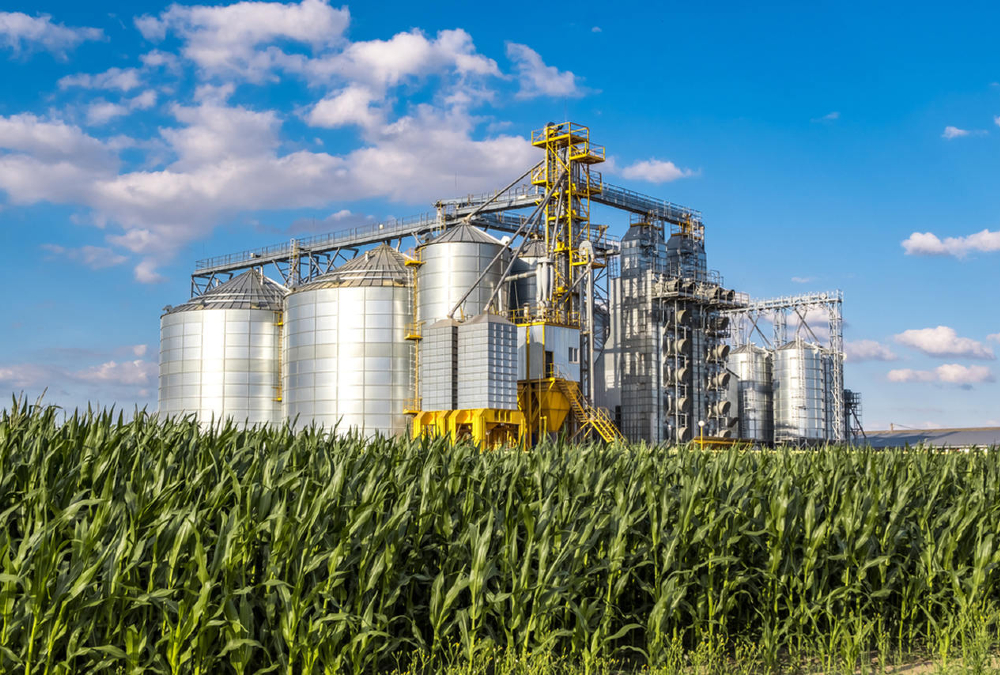
Best Investment Opportunities in Tanzania From 2026
As Tanzania enters a new growth cycle, the strongest opportunities are shifting from raw potential to value addition, infrastructure, energy, food systems, and regional trade.

Investment
Tanzania–Kenya Business Forum 2026: A New Regional Trade Moment for East Africa
The forum brought together government leaders, investors, private-sector players, and trade institutions under one central message: unlocking private sector growth and investment.
Investment
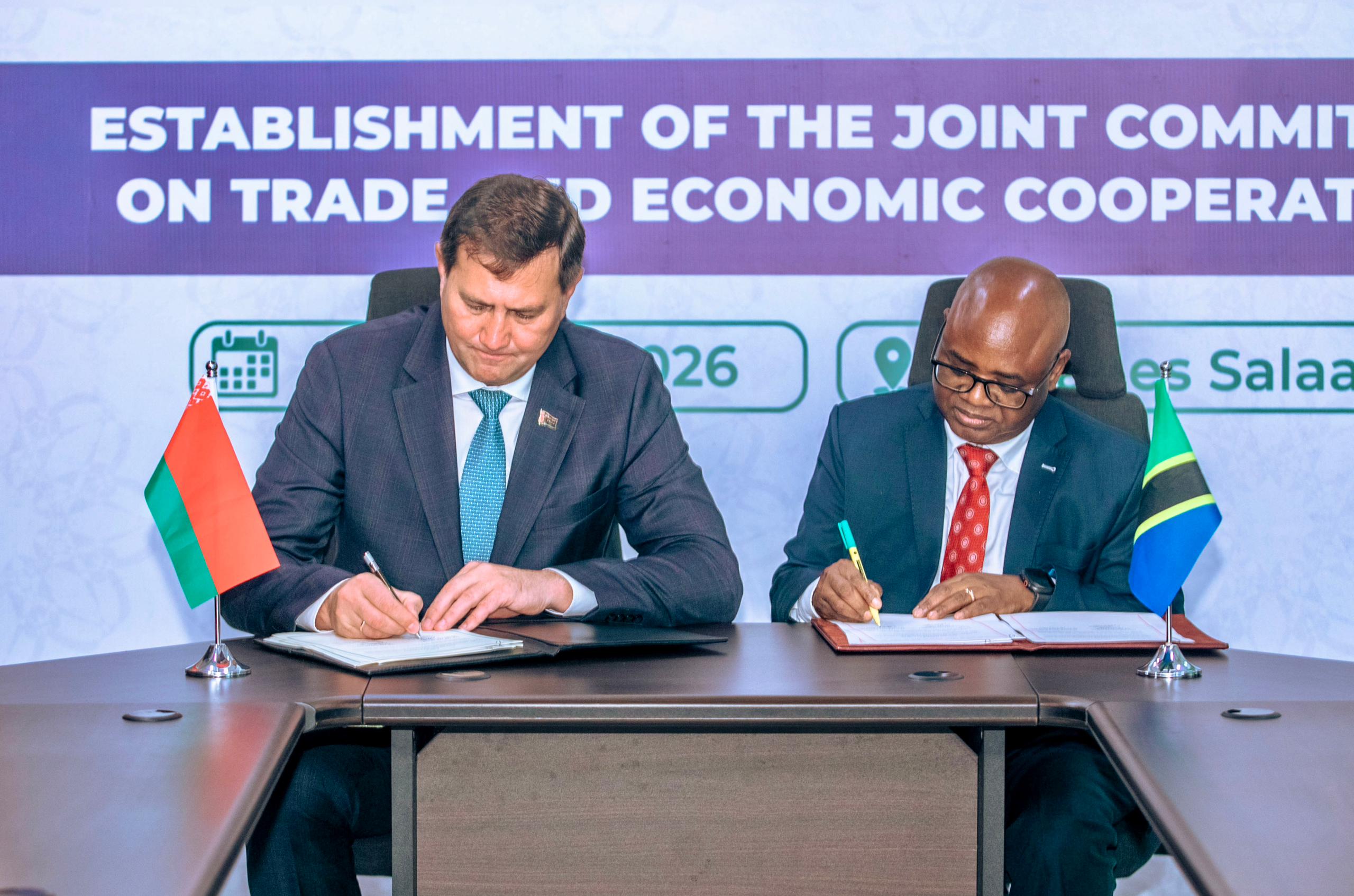
Rewiring Partnerships: Why Tanzania’s Belarus Deal Matters Now
At first glance, Belarus may not appear among Tanzania’s traditional investment partners. But that’s precisely where the strategic opportunity lies.