
Building Power, Losing Ground: The Adani Paradox in Africa
How one of the world’s most aggressive infrastructure players is expanding across Africa—while facing setbacks that could reshape his ambitions

By Capital Tanzania Magazine
April 27, 2026 · 5 min read
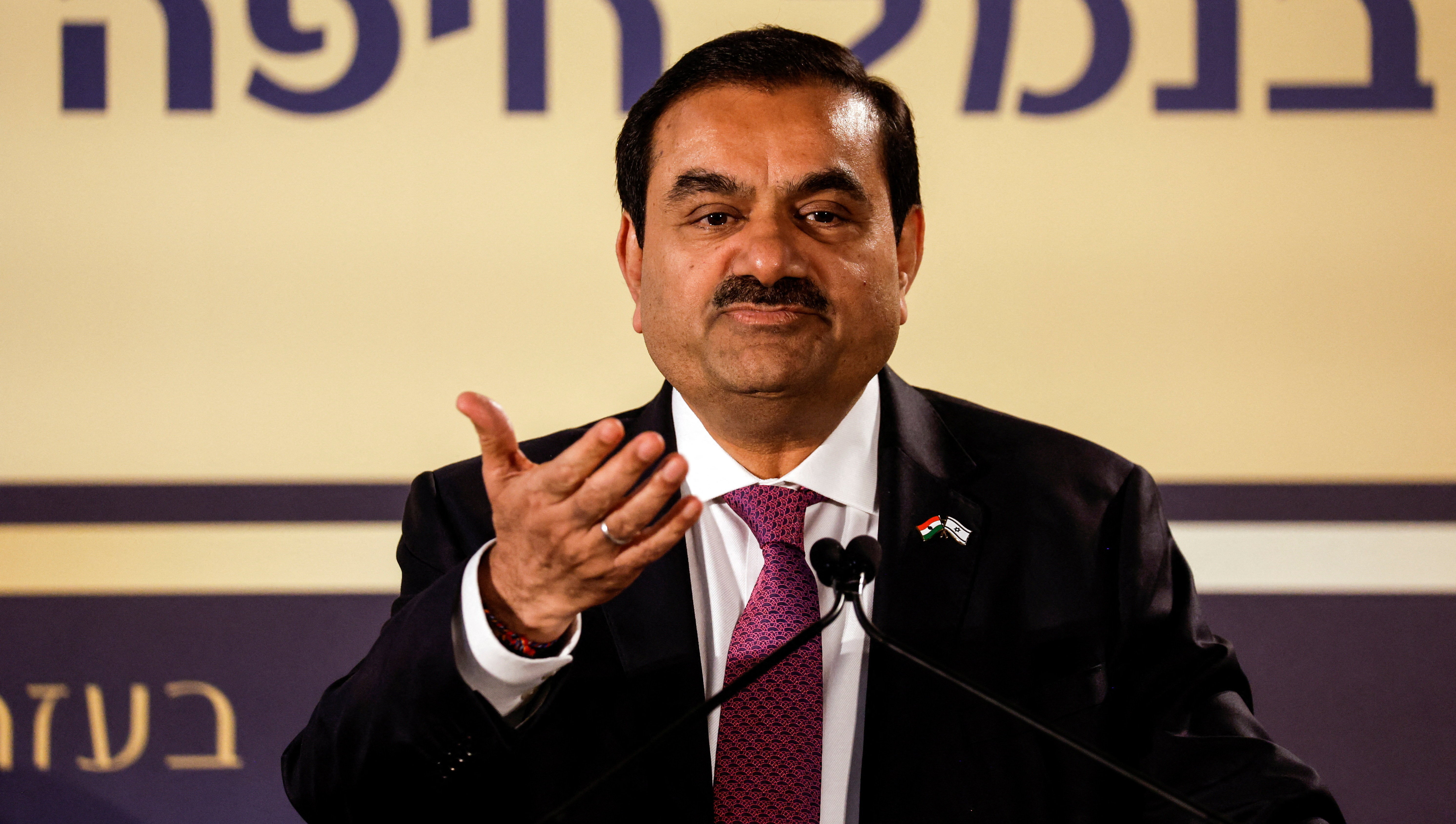
There are few business stories that move in two directions at the same time.
Gautam Adani’s expansion into Africa is one of them.
On one side, he is steadily securing control over some of the continent’s most strategic infrastructure. On the other, major deals are collapsing just as quickly as they appear—sometimes within weeks.
Both realities exist at once. And together, they reveal something deeper—not just about Adani, but about how infrastructure, politics, and risk intersect in Africa.
At the center of this story is Gautam Adani, a man who built his empire not by competing in crowded markets, but by stepping into gaps governments could not fill fast enough.
His model has always been consistent.
Find infrastructure that is essential—ports, airports, energy corridors—then offer to build, finance, and operate it. In return, secure long-term control over the flow of goods, energy, or logistics.
It worked in India. It scaled rapidly. And now, it is being exported.
Africa is the next frontier.
Tanzania: Where the Model Works
If you want to understand Adani’s strategy succeeding, you start with Tanzania.
In 2024, his ports business secured a long-term concession to operate one of the most important pieces of logistics infrastructure in East Africa—Container Terminal 2 at the Port of Dar es Salaam.
This was not a random entry point.
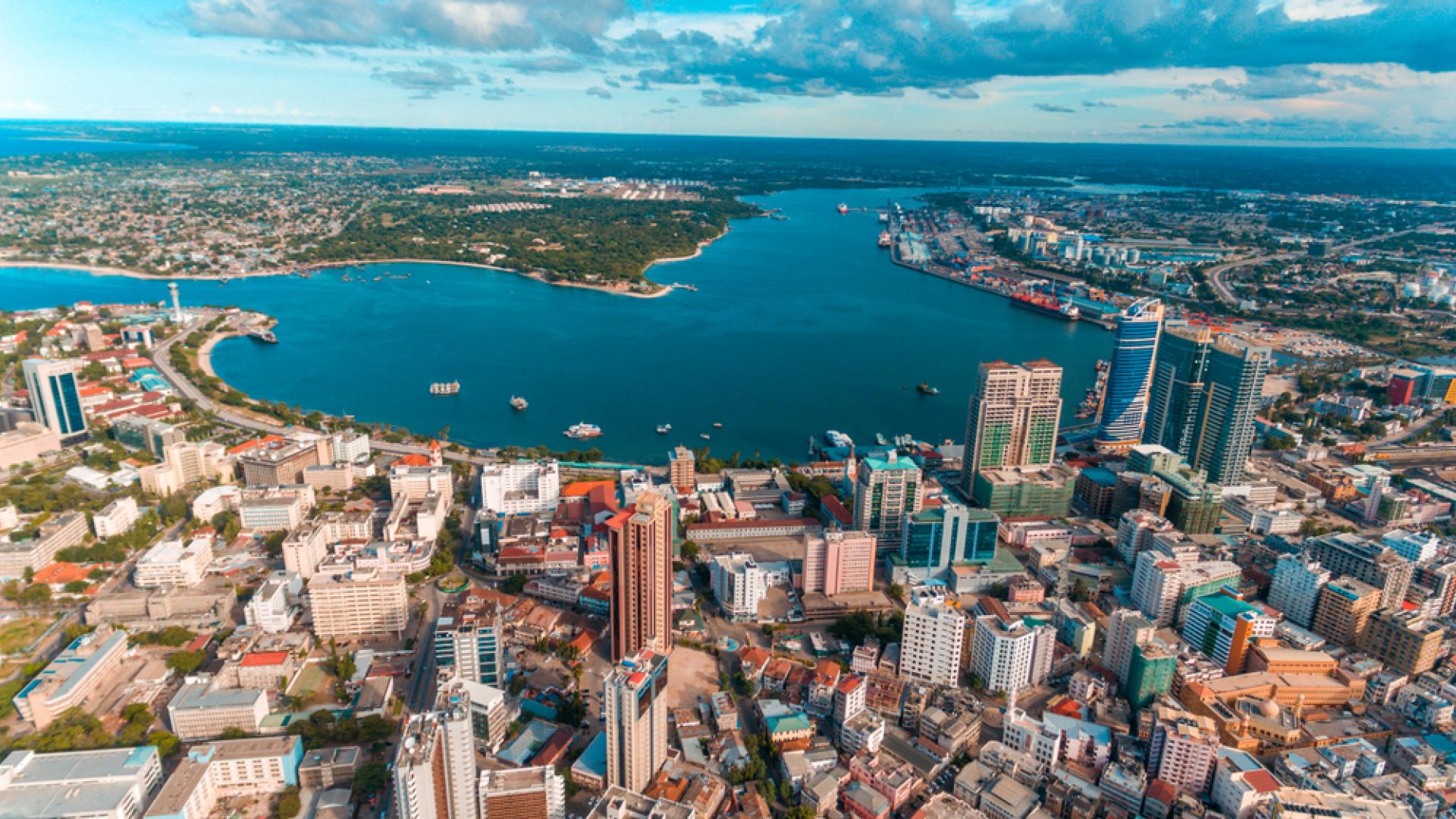
Dar es Salaam is more than a national port. It is a regional gateway, handling the majority of Tanzania’s international trade while serving landlocked countries stretching deep into Central and Southern Africa.
Control that terminal, and you don’t just handle containers.
You influence movement—across borders, across industries, across economies.
Adani understood this immediately.
The entry price was relatively modest compared to the strategic value. But the long-term positioning was clear: this was about becoming part of East Africa’s logistics backbone.
What makes the Tanzania deal particularly telling is how precisely it fits Adani’s global playbook.
It is not just about ports.
It is about building systems around ports.
Energy. Transmission. Industrial logistics.
Tanzania was not being treated as a single investment. It was being positioned as part of a broader infrastructure network.
Kenya: Where Everything Unraveled
If Tanzania shows the model working, Kenya shows how quickly it can collapse.
In early 2024, Adani moved aggressively into Kenya with two major proposals.
One targeted Nairobi’s main airport—Jomo Kenyatta International Airport—through a long-term upgrade and operational concession. The second focused on energy transmission infrastructure, with a multi-hundred-million-dollar agreement to build and operate power lines.
Combined, the exposure reached roughly $2.5 billion.
The scale alone made it one of the most significant infrastructure plays in the region.
But almost immediately, resistance began to build.
Concerns emerged around transparency, control of national assets, and the structure of the agreements themselves. Civil society, legal groups, and workers’ unions pushed back, questioning both the process and the long-term implications.
Then, the situation shifted dramatically.
A U.S. indictment accused Adani and his associates of involvement in a large-scale bribery scheme tied to energy contracts in India.
The legal case was external to Africa—but its impact was immediate.
Political support weakened. Public pressure intensified. Within days, the Kenyan government pulled back.
The deals were cancelled.
What makes this moment important is not just the loss itself.
It is the speed.
Multi-billion-dollar agreements, negotiated over months, were undone in a matter of days.
That tells you something critical about infrastructure in emerging markets:
👉 It is not only about capital
👉 It is also about trust, timing, and political alignment
The Real Risk Isn’t Financial
Adani’s Africa story is often framed in terms of investment.
But the deeper risk is not financial—it is reputational and political.
Large infrastructure projects require more than engineering and funding. They require public acceptance, legal stability, and political continuity.
Once any of those shifts, everything becomes uncertain.
Kenya exposed that vulnerability.
Why Africa Still Matters
Despite the setbacks, Adani’s interest in Africa has not slowed.
And the reason is straightforward.
Africa offers something that mature markets no longer do:
👉 Untapped infrastructure demand at scale
Ports are under capacity.
Energy networks need expansion.
Trade corridors are still developing.
For a company built on large-scale infrastructure execution, this is opportunity.
Tanzania, in particular, reflects this opportunity clearly.
It sits at a strategic intersection—connecting inland economies to global trade routes, serving as a gateway for multiple countries, and offering access to both logistics and energy networks.
That positioning makes it more than a market.
It makes it a platform.
A Strategy Under Pressure
Adani’s long-term vision is ambitious.
The group is targeting massive revenue expansion, backed by multi-billion-dollar investments across energy, petrochemicals, and infrastructure.
Africa fits into that vision as a natural extension.
But the Kenya experience introduces a new variable:
👉 Can expansion move faster than risk?
Because while infrastructure takes years to build, reputational shifts can happen overnight.
What Comes Next
The Tanzania operation is active.
New opportunities are being explored in other parts of Africa.
The legal case remains unresolved.
All of these timelines are moving at once.
Which leaves a bigger question—not just for Adani, but for governments across the continent:
How do you balance the need for large-scale infrastructure with the risks that come with global capital?
Capital Tanzania Perspective
Adani’s presence in Africa tells two stories at the same time.
One is about ambition—the ability to build, scale, and reshape infrastructure across borders.
The other is about exposure—how quickly that ambition can be tested when trust shifts.
Between those two forces lies the real story.
And in East Africa, that story is still being written.
More from Capital Tanzania

Investment
Best Investment Opportunities in Tanzania From 2026
As Tanzania enters a new growth cycle, the strongest opportunities are shifting from raw potential to value addition, infrastructure, energy, food systems, and regional trade.
Investment
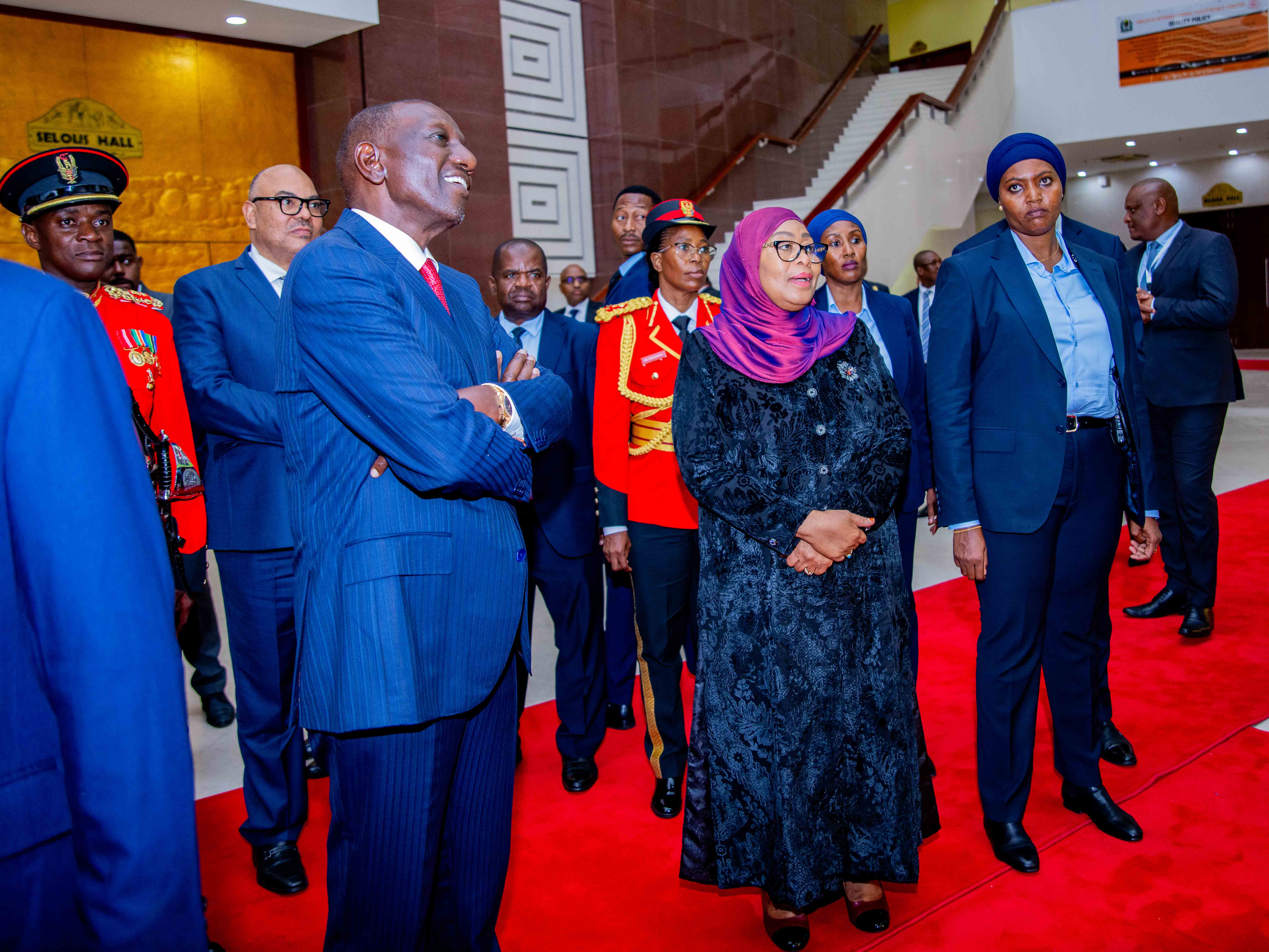
Tanzania–Kenya Business Forum 2026: A New Regional Trade Moment for East Africa
The forum brought together government leaders, investors, private-sector players, and trade institutions under one central message: unlocking private sector growth and investment.
Investment
Top Five Sectors to Invest in Tanzania: Where Capital Should Look Next
For investors, the real question is no longer whether Tanzania has opportunities. The question is which sectors have the strongest mix of demand, policy support, resource advantage and long-term growth potential.