
The Forces Shaping Tanzania’s Economic Future Today
Economic direction is evolving through coordinated reforms, stronger institutions, and a growing focus on investment and long-term private sector growth.

By Capital Tanzania Magazine
April 25, 2026 · 10 min read
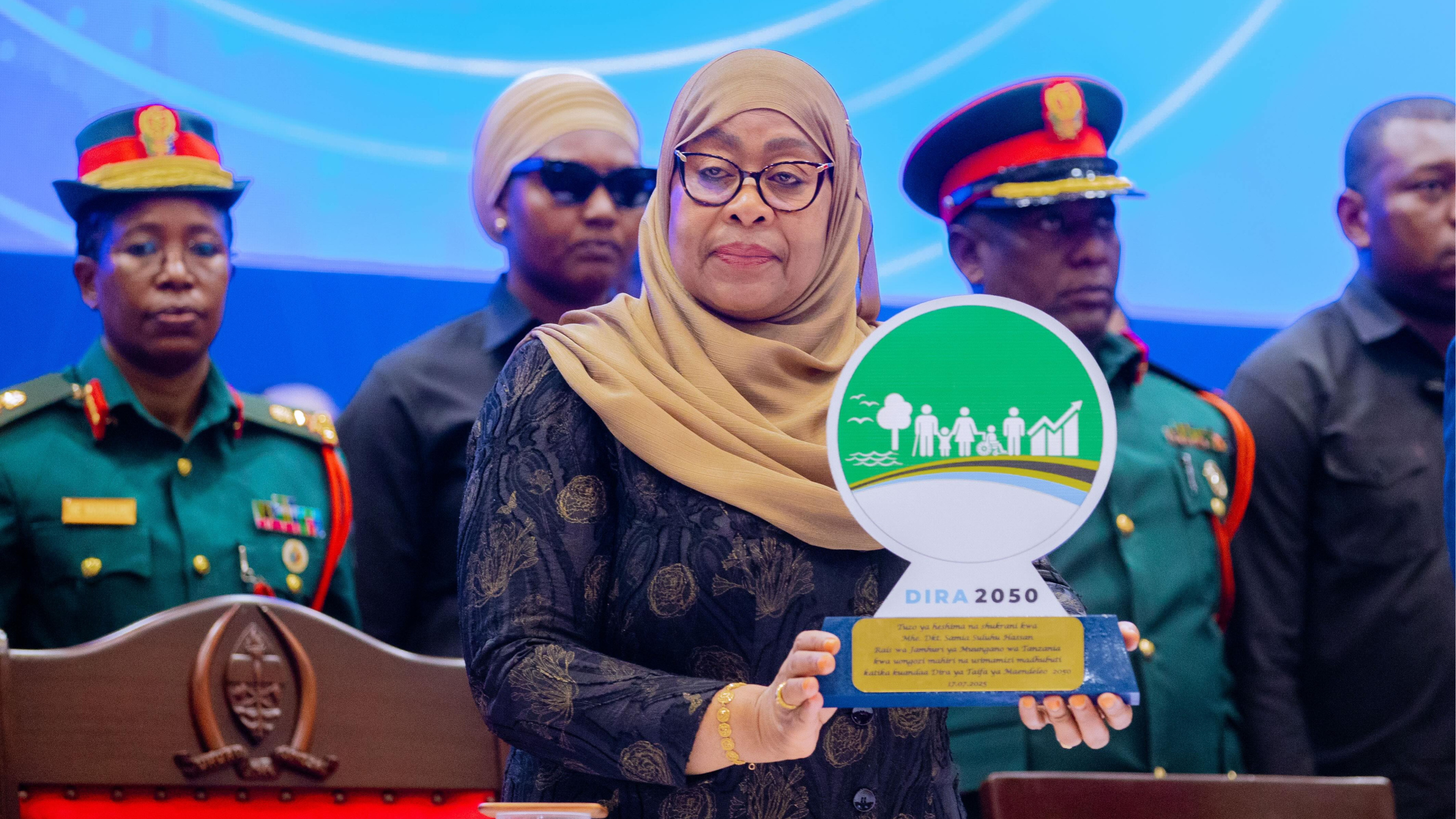
Economic transformation is rarely the result of a single policy or sector. It is usually the outcome of consistent leadership, coordinated institutions, and a clear long-term direction.
In Tanzania, this direction is increasingly associated with the leadership of Samia Suluhu Hassan, whose administration has placed a strong emphasis on improving the investment environment, strengthening economic coordination, and positioning the country for long-term growth.
Rather than relying on isolated reforms, the approach has been to align policy, planning, and implementation across key institutions—creating a more structured foundation for economic expansion.
A Focus on Stability as a Foundation for Growth
For investors, stability is often the first indicator of a functioning economic environment.
According to the World Bank, Tanzania has maintained steady economic growth, with GDP expanding at around 5–6% in recent years, supported by public investment and domestic demand.
At the same time, inflation has remained relatively contained, reflecting the role of the Bank of Tanzania in maintaining monetary stability.
This combination of growth and stability creates an important baseline:
👉 an environment where long-term planning becomes possible
For businesses and investors, predictability is often as important as growth itself.
Repositioning Tanzania in the Investment Landscape
A key feature of the current leadership approach has been the emphasis on investment as a central driver of economic activity.
This has been reflected in:
-
increased engagement with international investors
-
participation in regional and global investment platforms
-
strengthening of investment facilitation institutions
Organizations such as the Tanzania Investment and Special Economic Zones Authority have been instrumental in translating this direction into operational support for investors.
Their role includes:
-
facilitating investment entry
-
coordinating approvals
-
promoting industrial and special economic zones
This institutional support is critical because investment is not driven by opportunity alone—it is driven by how easily that opportunity can be accessed and implemented.
Strengthening the Business Environment Through Reform
Beyond investment promotion, leadership has also focused on improving the underlying business environment.
One of the most structured examples is the MKUMBI reform agenda, led by the President’s Office – Planning and Investment.
The first phase of MKUMBI resulted in:
-
94 laws amended
-
628 fees reduced or abolished
These reforms targeted real operational challenges faced by businesses, including:
-
high administrative costs
-
overlapping regulations
-
complex licensing systems
The second phase, MKUMBI II, expands this effort by focusing on:
-
digitalization of government services
-
improved coordination across institutions
-
enhanced access to finance
It also proposes over 200 reform actions, developed through broad consultations across government and the private sector. (tanzaniainvest.com)
This reflects a shift from isolated reforms to a more system-wide transformation approach.
Linking Short-Term Actions to Long-Term Vision
Another defining element of Tanzania’s economic direction is the alignment between current reforms and long-term development frameworks.
Plans such as Dira 2050 and the Long-Term Perspective Plan provide a roadmap for:
-
industrialization
-
economic diversification
-
increased private sector participation
According to official planning documents, these frameworks position the private sector as a central driver of future growth.
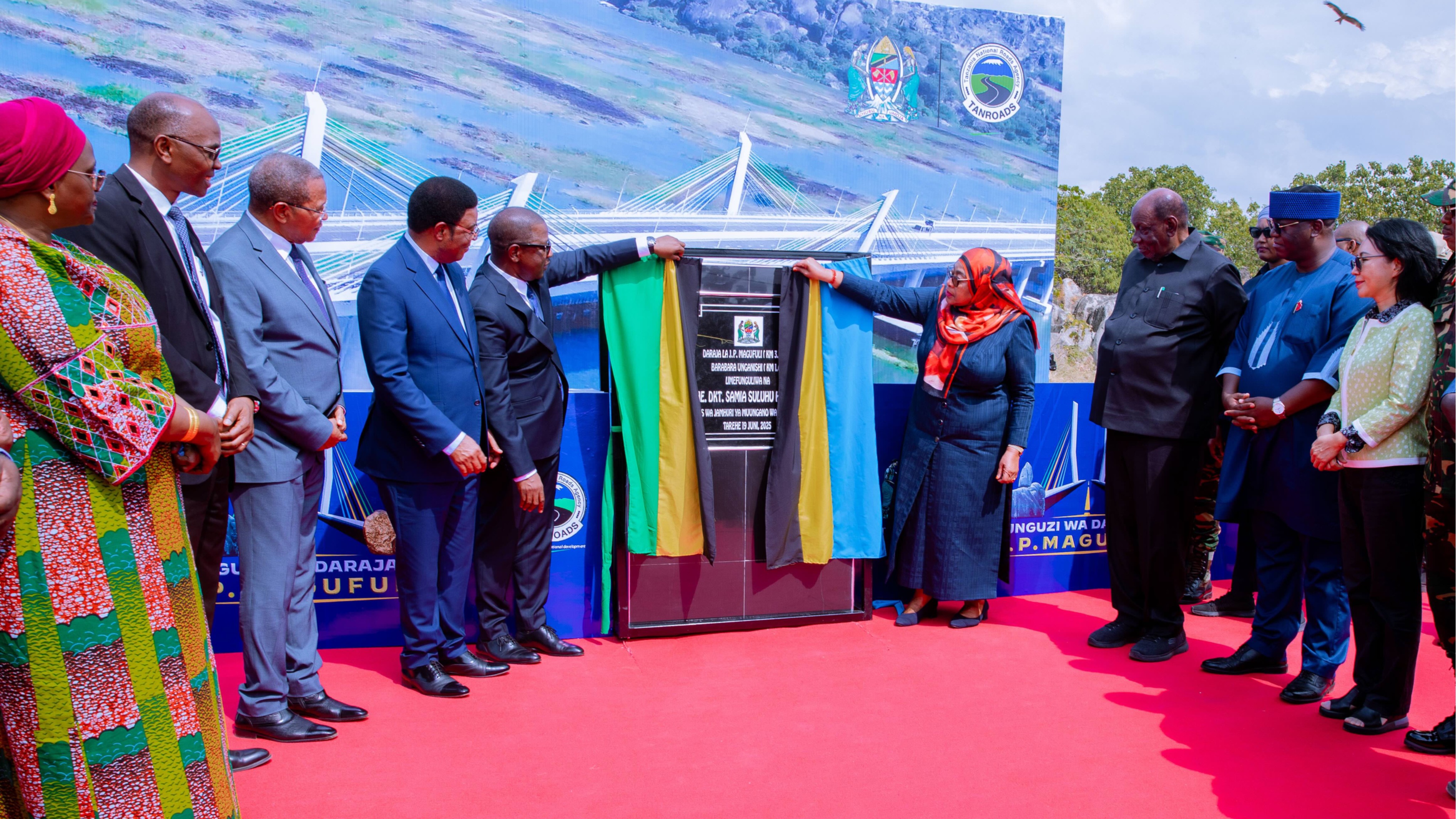
Under the current leadership, initiatives like MKUMBI are not treated as standalone programs, but as part of this broader transformation strategy.
👉 This alignment is important because it ensures that:
-
reforms are consistent
-
policies are connected
-
and progress is cumulative
Infrastructure as an Enabler of Economic Activity
Infrastructure development continues to play a central role in Tanzania’s economic strategy.
Investments in:
-
transport (roads, railways, ports)
-
energy systems
-
urban development
are aimed at improving connectivity and reducing the cost of doing business.
According to the African Development Bank, infrastructure investment is a key driver of economic growth in Tanzania, with strong multiplier effects across sectors.
For businesses, infrastructure determines:
-
how goods move
-
how quickly markets are accessed
-
how efficiently operations are conducted
This is why infrastructure is not only a development issue—it is a business issue.
Institutional Coordination and System Efficiency
Modern economies depend heavily on how well institutions work together.
One of the ongoing efforts under the current leadership is to improve coordination between:
-
regulatory authorities
-
investment agencies
-
planning institutions
This is particularly relevant in areas such as:
-
licensing
-
compliance
-
investment approvals
Better coordination reduces duplication and improves efficiency—two factors that directly affect business performance.
A Balanced Approach to Economic Growth
Tanzania’s current direction reflects a balanced approach that combines:
-
public investment
-
private sector participation
-
institutional reform
This balance is important because it allows growth to be:
👉 sustainable
👉 inclusive
👉 structured
Rather than relying on one driver, the system is designed to support multiple pathways of growth.
What This Means for Investors
For investors, leadership is often evaluated through outcomes rather than statements.
Key signals include:
-
consistency in policy direction
-
clarity of institutional roles
-
alignment between reforms and long-term goals
In Tanzania’s case, the emphasis on:
-
investment facilitation
-
business environment reform
-
infrastructure development
provides a framework that supports long-term investment positioning.
Expanding Tanzania’s Global Economic Position
Beyond domestic reforms, Tanzania’s economic direction under Samia Suluhu Hassan is also increasingly outward-looking.
In today’s global economy, countries compete not only on resources or population size, but on how effectively they position themselves within:
-
regional trade systems
-
global value chains
-
international investment flows
Tanzania’s participation in regional blocs such as the East African Community (EAC) and the Southern African Development Community (SADC) places it within a wider economic network. These platforms enable:
-
cross-border trade
-
market access beyond national boundaries
-
regional investment integration
For investors, this means Tanzania is not just a single market—it is a gateway economy.
Trade, Logistics, and Strategic Geography
One of Tanzania’s strongest structural advantages is its geographic position.
With access to the Indian Ocean and key transport corridors, the country serves as a critical link for landlocked neighbors such as:
-
Zambia
-
Rwanda
-
Burundi
-
Democratic Republic of Congo
This positioning strengthens Tanzania’s role in:
-
import and export logistics
-
regional supply chains
-
distribution networks
Leadership direction has increasingly recognized this advantage, supporting investments in:
-
port infrastructure
-
rail systems
-
road networks
Over time, this enhances Tanzania’s ability to function as a regional logistics and trade hub, which directly supports business expansion and investment.
Tourism, Natural Assets, and Economic Diversification
While much of the focus is on industrialization and infrastructure, Tanzania’s natural assets remain a key part of its economic identity.
Tourism continues to contribute significantly to:
-
foreign exchange earnings
-
employment
-
regional development
Destinations such as Serengeti National Park and Mount Kilimanjaro place Tanzania among the most recognized tourism markets globally.
Leadership direction has maintained support for this sector while also encouraging diversification into:
-
value-added services
-
eco-tourism
-
investment in tourism infrastructure
This balanced approach ensures that traditional strengths are maintained while new sectors are developed.
Human Capital and Long-Term Economic Potential
No economic strategy is complete without considering human capital.
Tanzania’s population is not only large—it is also young.
This demographic profile presents both:
-
opportunity
-
responsibility
Opportunity, because a young workforce can drive productivity and innovation.
Responsibility, because systems must support:
-
education
-
skills development
-
employment creation
Long-term economic success depends on how effectively this population is integrated into productive sectors.
Leadership direction increasingly reflects this understanding, linking:
👉 education
👉 skills development
👉 economic planning
Digital Transformation and the Future Economy
Another layer of Tanzania’s evolving economic structure is digital transformation.
Across sectors, digital systems are becoming essential for:
-
financial services
-
business registration
-
payments
-
logistics
Mobile money adoption, in particular, has already transformed how transactions are conducted across the country.
Building on this foundation, broader digital integration can:
-
improve efficiency
-
reduce transaction costs
-
expand access to services
For businesses, digital infrastructure is no longer optional—it is part of how modern economies operate.
Public–Private Alignment as a Growth Driver
A recurring theme across Tanzania’s economic direction is the relationship between the public and private sectors.
Rather than operating independently, growth is increasingly driven by:
👉 alignment between policy and business activity
This includes:
-
consultation frameworks
-
investment facilitation mechanisms
-
coordinated development strategies
When this alignment is strong:
-
businesses operate more efficiently
-
investments move faster
-
economic outcomes improve
Consistency as a Competitive Advantage
In many emerging markets, inconsistency in policy or implementation can create uncertainty.
One of the most important signals under the current leadership has been the emphasis on:
-
consistency
-
continuity
-
long-term direction
This is particularly important for:
-
infrastructure projects
-
industrial investments
-
large-scale business operations
Investors tend to favor environments where policies are not only clear—but sustained over time.
Measuring Impact Over Time
While direction and policy are important, the true measure of progress lies in outcomes.
Over time, the impact of Tanzania’s economic direction can be observed through:
-
growth in private sector activity
-
increased investment inflows
-
expansion of key sectors
-
improvements in business operations
Institutions such as the World Bank and the African Development Bank continue to monitor and report on these indicators, providing an external perspective on economic progress.
Final Perspective: Direction Over Speed
Economic transformation is often expected to be fast. In reality, it is usually gradual.
What matters most is not how quickly changes occur—but how consistently they move in the right direction.
In Tanzania’s case, the emphasis on:
-
structured reforms
-
institutional coordination
-
investment facilitation
-
long-term planning
reflects a focus on direction rather than speed.
Capital Tanzania Perspective
Strong economies are not built on isolated opportunities—they are built on systems that allow those opportunities to grow, connect, and scale.
Leadership plays a central role in shaping those systems.
In Tanzania, the current trajectory reflects an effort to:
-
strengthen foundations
-
align institutions
-
support private sector growth
-
and position the country within a broader regional and global context
Over time, these elements determine not just how the economy grows—but how sustainable that growth becomes.
More from Capital Tanzania
East Africa
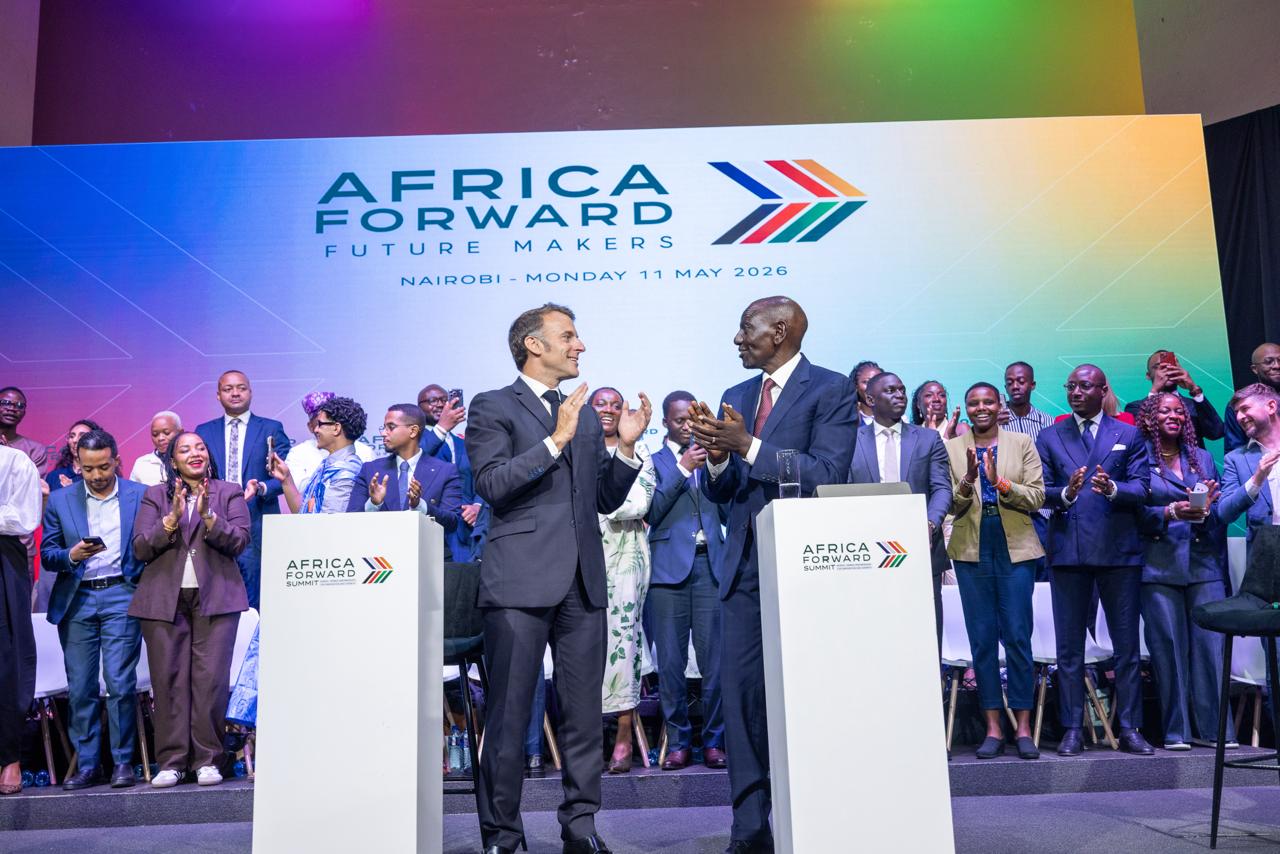
East Africa’s New Investment Race: Ports, Power, AI and Regional Capital
That argument matters because investment does not depend only on the availability of projects. It also depends on the price of money.

Investment
Best Investment Opportunities in Tanzania From 2026
As Tanzania enters a new growth cycle, the strongest opportunities are shifting from raw potential to value addition, infrastructure, energy, food systems, and regional trade.
Investment
Tanzania–Kenya Business Forum 2026: A New Regional Trade Moment for East Africa
The forum brought together government leaders, investors, private-sector players, and trade institutions under one central message: unlocking private sector growth and investment.