
Tanzania by the Numbers: A Comprehensive Investment Outlook
A Deep Data Analysis of Growth, Capital Formation, and Market Potential

By Capital Tanzania Magazine
April 25, 2026 · 5 min read
Executive Summary
Tanzania is increasingly emerging as one of Sub-Saharan Africa’s most structurally resilient economies, underpinned by stable macroeconomic fundamentals, sustained public investment, and strong demographic expansion.
According to the World Bank, Tanzania recorded GDP growth of approximately 5.5% in 2024, with projections suggesting continued expansion toward the 6% range in the medium term.
With a population exceeding 60 million, accelerating urbanization, and rising capital formation, the country presents a compelling case for long-term investment positioning, particularly in infrastructure, energy, and value-added industries.
1. Macroeconomic Structure and Growth Dynamics
1.1 GDP Growth Trajectory
Tanzania has maintained consistent growth over the past decade, even in the face of global disruptions.
-
GDP Growth (2024): ~5.5%
-
Medium-term projection: ~5.5–6.0%
-
Growth drivers:
-
Infrastructure investment
-
Services sector expansion
-
Mining and natural resources
-
Compared to the global growth average (~2.9%), Tanzania’s performance places it among the higher-growth economies globally.
1.2 Economic Size and Expansion Potential
-
GDP Size: ~$78–80 billion
-
GDP per capita: ~$1,100–1,200
While per capita income remains relatively low, this represents:
👉 Significant headroom for expansion
In investment terms, Tanzania is still in:
👉 Early-stage growth phase (high upside potential)
1.3 Inflation and Monetary Stability
Inflation has remained within a controlled range:
-
Inflation: ~3–5%
-
Managed by the Bank of Tanzania
This stability is critical for:
-
Investor confidence
-
Cost predictability
-
Long-term planning
2. Demographic Expansion and Demand Creation
2.1 Population Growth
-
Population: 60+ million
-
Growth rate: ~3% annually
At this pace:
👉 Tanzania’s population could exceed 100 million within two decades
2.2 Age Structure
- Median age: ~18–19 years
This creates:
-
A large future workforce
-
Rising consumption base
-
Expanding labor supply
2.3 Urbanization Trends
Urban centers such as:
-
Dar es Salaam
-
Dodoma
-
Mwanza
are experiencing rapid expansion.
Implications:
-
Housing demand surge
-
Infrastructure pressure
-
Growth in services and retail
👉 This is a structural driver of investment demand
3. Capital Formation and Investment Trends
3.1 Gross Capital Formation
Investment levels remain strong:
- Gross fixed capital formation: ~30% of GDP
This indicates:
👉 High reinvestment into the economy
3.2 Foreign Direct Investment (FDI)
According to UNCTAD and global reports:
Key FDI sectors:
-
Mining
-
Energy
-
Infrastructure
-
Manufacturing
Estimated inflows:
👉 ~$1–1.5 billion annually
3.3 Public Investment Strategy
The government continues to invest heavily in:
-
Transport infrastructure
-
Energy projects
-
Industrial development
This public spending acts as a:
👉 catalyst for private investment
4. Infrastructure: The Backbone of Growth
Infrastructure investment is central to Tanzania’s economic model.
4.1 Key Projects
-
Standard Gauge Railway (SGR)
-
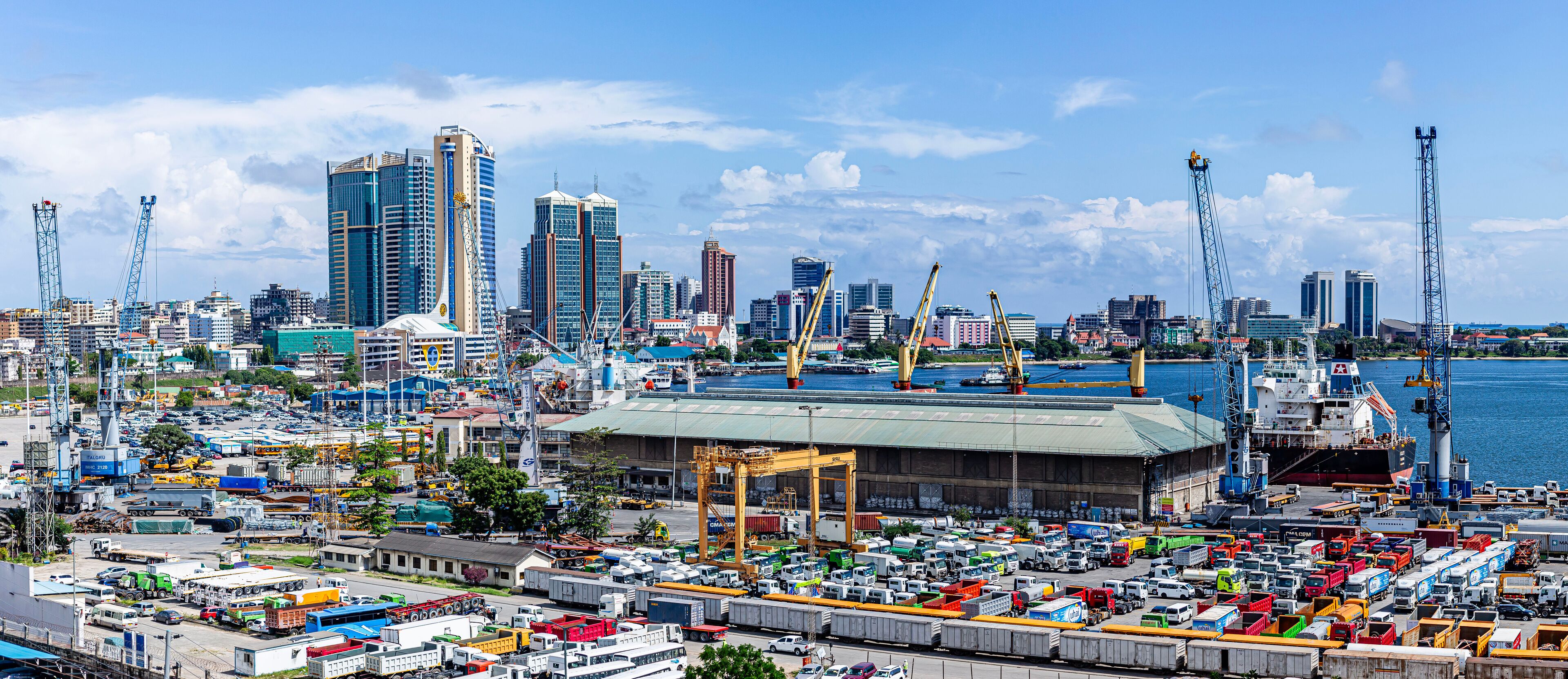
Port expansion (Dar es Salaam)
-
National road network upgrades
4.2 Economic Impact
Infrastructure investment:
-
Reduces transaction costs
-
Improves logistics
-
Enhances regional trade
👉 According to international assessments, infrastructure spending has a multiplier effect across all sectors.
5. Energy Sector: Supporting Industrialization
5.1 Energy Mix
-
Natural gas
-
Hydropower
-
Renewables (growing segment)
5.2 Investment Opportunities
-
Power generation
-
Transmission networks
-
Renewable energy development
Energy expansion is critical to:
👉 industrial growth and manufacturing competitiveness
6. Sectoral Transformation
6.1 Agriculture
-
Contributes ~25–30% of GDP
-
Major opportunity: value addition
6.2 Industry
-
Growing through construction and manufacturing
-
Supported by infrastructure expansion
6.3 Services
-
Fastest-growing sector
-
Includes finance, telecoms, trade
👉 This shift reflects:
economic modernization
7. Regional Trade and Strategic Position
Tanzania’s role in regional trade is expanding.
7.1 Geographic Advantage
-
Indian Ocean access
-
Gateway to landlocked countries
7.2 Trade Corridors
- Connect to Central and Southern Africa
7.3 Implication
👉 Tanzania is evolving into a:
regional logistics and trade hub
8. External Sector and Stability
-
Foreign reserves: ~$5+ billion
-
Stable external position
-
Managed currency environment
These factors support:
-
Import coverage
-
Exchange rate stability
-
Investor confidence
9. Risk Analysis
Key Risks:
-
Regulatory complexity
-
Infrastructure gaps
-
Global commodity exposure
Mitigation Factors:
-
Policy reforms
-
Institutional strengthening
-
Increasing private sector role
👉 Risk profile is manageable with proper strategy
10. Investment Strategy Outlook
Suitable for:
-
Long-term investors
-
Infrastructure funds
-
Strategic partnerships
Key Opportunities:
-
Early market entry
-
Underserved sectors
-
Value chain development
Conclusion
Tanzania’s economic data tells a consistent story:
A country building the foundations for sustained, investment-driven growth.
With strong demographics, improving infrastructure, and stable macroeconomic conditions, Tanzania offers a compelling long-term investment case within Africa.
Capital Tanzania Insight
In frontier markets, opportunity is rarely obvious—but it is always measurable.
At Capital Tanzania, we transform data into insight—and insight into investment direction.
More from Capital Tanzania
Investment
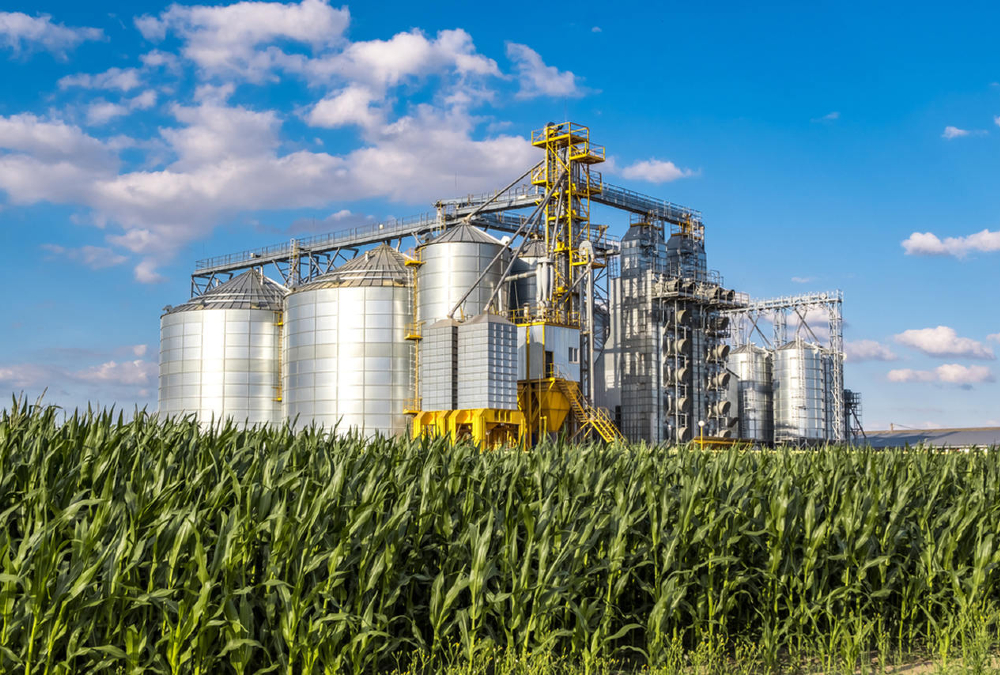
Best Investment Opportunities in Tanzania From 2026
As Tanzania enters a new growth cycle, the strongest opportunities are shifting from raw potential to value addition, infrastructure, energy, food systems, and regional trade.
Investment
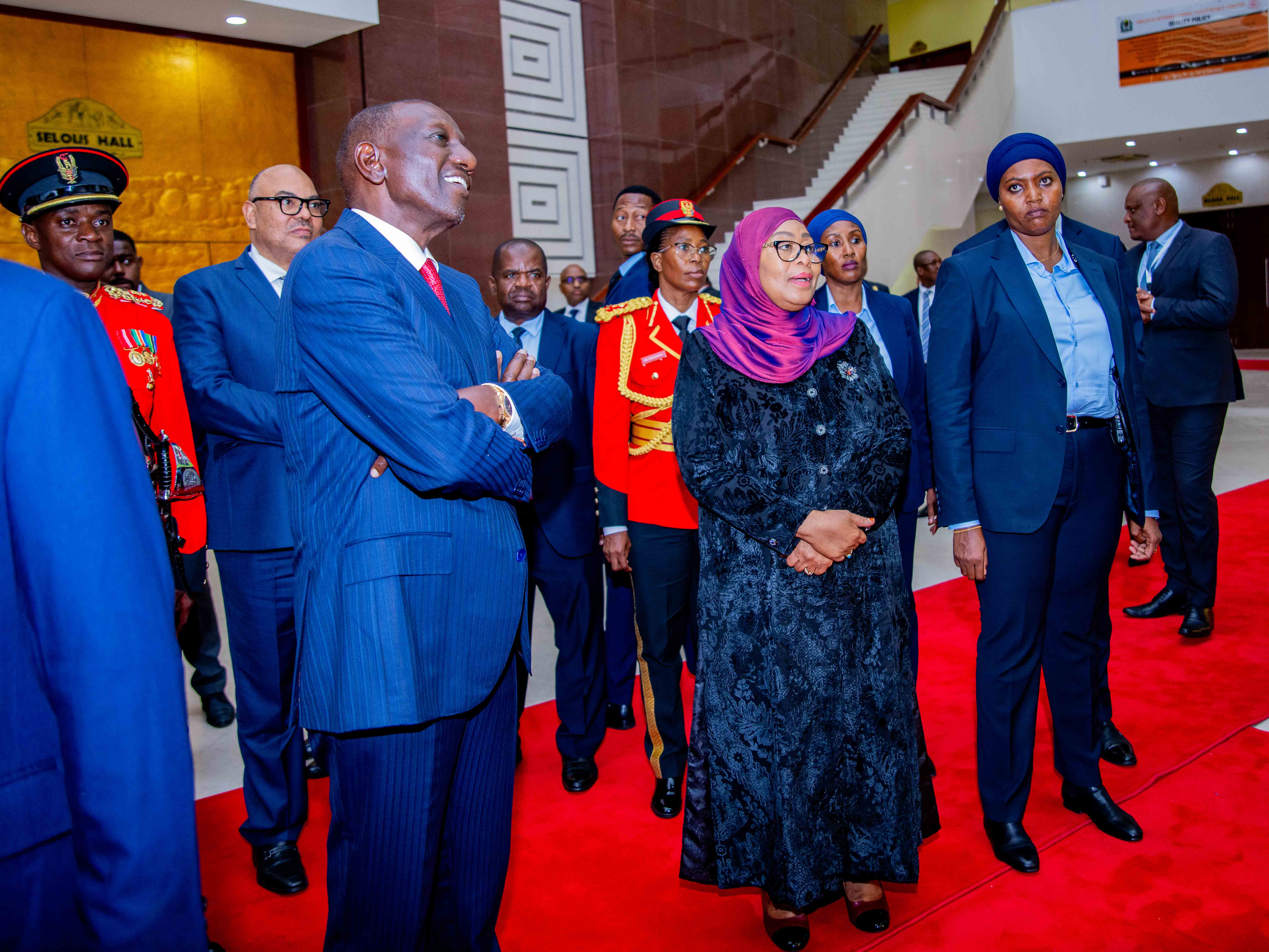
Tanzania–Kenya Business Forum 2026: A New Regional Trade Moment for East Africa
The forum brought together government leaders, investors, private-sector players, and trade institutions under one central message: unlocking private sector growth and investment.
Investment
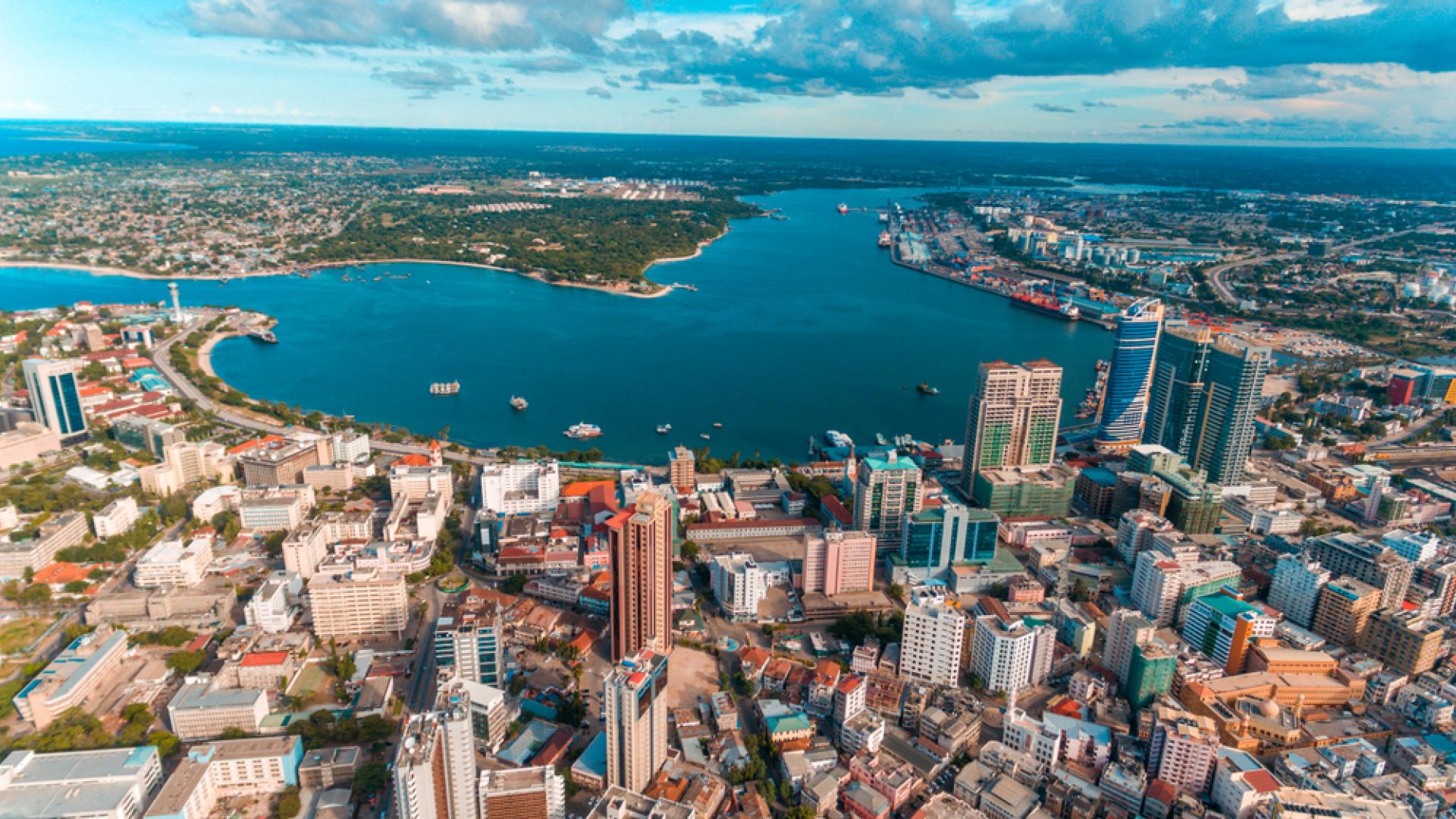
Top Five Sectors to Invest in Tanzania: Where Capital Should Look Next
For investors, the real question is no longer whether Tanzania has opportunities. The question is which sectors have the strongest mix of demand, policy support, resource advantage and long-term growth potential.